 Pin it
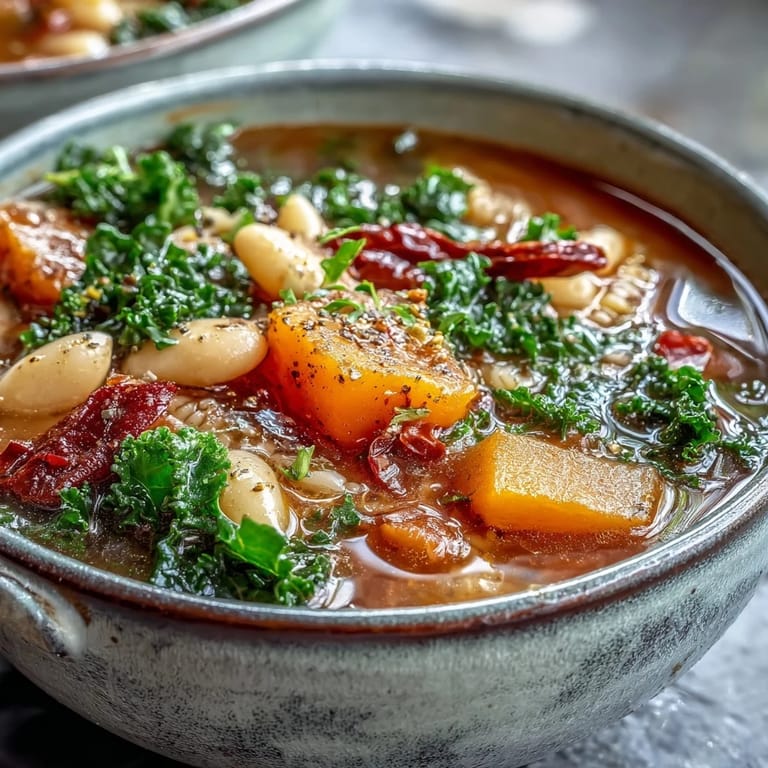
 The first snow of winter was falling outside my window when I created this minestrone recipe. My tiny apartment kitchen filled with the steamy aroma of herbs and vegetables as I chopped the bright orange butternut squash. Something about the combination of tender kale and hearty beans swimming in that rich tomato broth just spoke to my soul. The gentle bubbling of the pot provided a soundtrack to the quiet afternoon, making me feel instantly at home despite the chill outside.
I made this minestrone for my sister when she caught that awful flu going around last winter. Standing in her kitchen, chopping vegetables while she rested on the couch, I remember how the colors brightened the dreary day - the orange squash, deep green kale, and red tomatoes created a vibrant palette in the pot. When she took her first spoonful, her eyes closed in appreciation, and I knew this would become our go-to comfort food. Even now, she asks for this soup whenever life gets overwhelming or temperatures drop.
Ingredients
- Butternut squash: I discovered that cutting it into small, uniform cubes helps it cook evenly and creates the perfect bite-sized morsels that slightly break down to thicken the broth.
- Kale: Remove those tough stems completely or youll be chewing them forever, trust me, I learned this lesson after serving it to my food critic friend who pointed out every single one.
- Cannellini beans: Rinse them thoroughly to remove that slimy canning liquid, which honestly makes a world of difference in the final texture and taste of your soup.
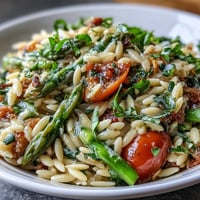
- Small pasta: I prefer ditalini because those tiny tubes catch little pockets of broth, but any small shape works beautifully in this rustic soup.
- Dried herbs: The combination of oregano, thyme and rosemary creates that quintessential Italian flavor base that makes this soup smell like a countryside kitchen.
Tired of Takeout? 🥡
Get 10 meals you can make faster than delivery arrives. Seriously.
One email. No spam. Unsubscribe anytime.
Instructions
- Build your flavor foundation:
- Heat olive oil in a large pot over medium heat, then add your diced onion, carrots, and celery. Listen for that gentle sizzle as they hit the hot oil and stir occasionally until they soften and the onions become translucent, about 5-6 minutes.
- Add the aromatics:
- Toss in the minced garlic and cook just until you can smell its wonderful aroma wafting up from the pot, about one minute. Be careful not to let it brown or it might turn bitter.
- Introduce the star vegetables:
- Add your butternut squash and zucchini cubes, giving everything a good stir to coat with oil and seasonings. Let them cook for 4-5 minutes, stirring occasionally so they start to soften but dont stick to the bottom.
- Create your broth base:
- Pour in the diced tomatoes with their juices, vegetable broth, and water, then bring everything to a gentle boil. Youll see the colors start to meld together into a beautiful reddish-orange base.
- Season and simmer:
- Sprinkle in the oregano, thyme, rosemary, and red pepper flakes if youre using them. Reduce the heat and let everything simmer uncovered for about 15 minutes, allowing the flavors to deepen and mingle together.
- Add the heartiness:
- Stir in those rinsed cannellini beans and pasta, then continue simmering for 8-10 minutes. Watch for the pasta to become tender and the butternut squash to yield easily when pierced with a fork.
- Finish with greens:
- Add the chopped kale and gently stir until it wilts into the hot soup, about 2-3 minutes. This is when I taste and adjust with salt and pepper until the flavors sing.
- Final touch:
- Remove from heat and stir in that fresh parsley for a bright finish. The contrast between the long-simmered soup and the fresh herb really wakes up all the flavors.
 Pin it
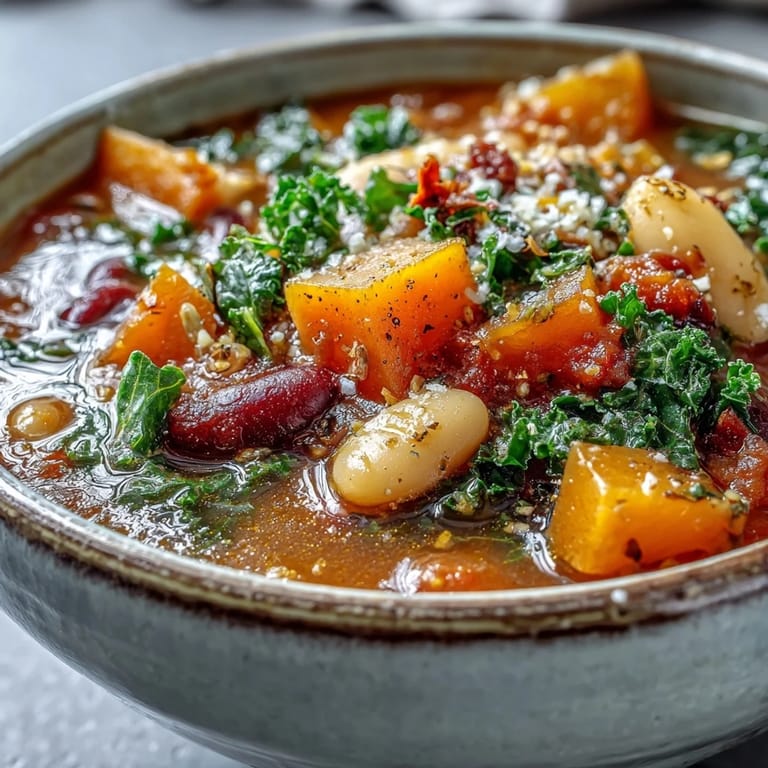
 Last winter, I brought a pot of this minestrone to our building's holiday potluck. In the crowded community room, I watched as neighbors from different floors - people who barely nodded to each other in the elevator - gathered around the steaming pot, filling their bowls again and again. An elderly gentleman from the fifth floor told me it reminded him of his mother's cooking in northern Italy. We ended up exchanging recipes and stories well into the evening, all because of a simple vegetable soup that somehow bridged cultures and generations.
Serving Suggestions
The first time I served this minestrone without a crusty loaf of bread alongside, my friend Marco looked at me like I'd committed an unforgivable crime. He was right - there's something magical about dragging a piece of rustic bread through the broth, capturing bits of vegetables and beans along the way. Now I always make sure to either pick up a sourdough loaf or quickly bake some garlic bread to serve alongside, creating that perfect vehicle for sopping up every last drop from the bowl.
Storage and Leftovers
After making this soup dozens of times, Ive found it actually improves with age. The flavors meld and deepen overnight in the refrigerator, making day-two minestrone somehow even better than the fresh pot. I typically store portions in glass containers rather than plastic, as Ive noticed the tomato doesnt stain glass and the soup reheats more evenly. When reheating, adding a small splash of water or broth helps restore the original consistency if the pasta has absorbed too much liquid.
Seasonal Adaptations
The beauty of minestrone is how it gracefully changes with the seasons, becoming almost a culinary calendar in my kitchen. Summer finds me substituting the butternut for yellow summer squash, adding fresh green beans, and finishing with basil instead of parsley for a lighter version that doesnt overheat the kitchen. Spring versions might feature asparagus tips and fresh peas, while fall sees the addition of pumpkin or even a handful of chopped apples that dissolve into the broth.
- For summer adaptation, reduce cooking time to keep vegetables crisp-tender and add a squeeze of lemon juice at the end for brightness.
- During colder months, consider adding a tablespoon of tomato paste with the garlic to deepen the flavor and color.
- If making this in early fall when fresh corn is still available, cut kernels from one cob and add them during the last 5 minutes of cooking for sweet pops of texture.
 Pin it
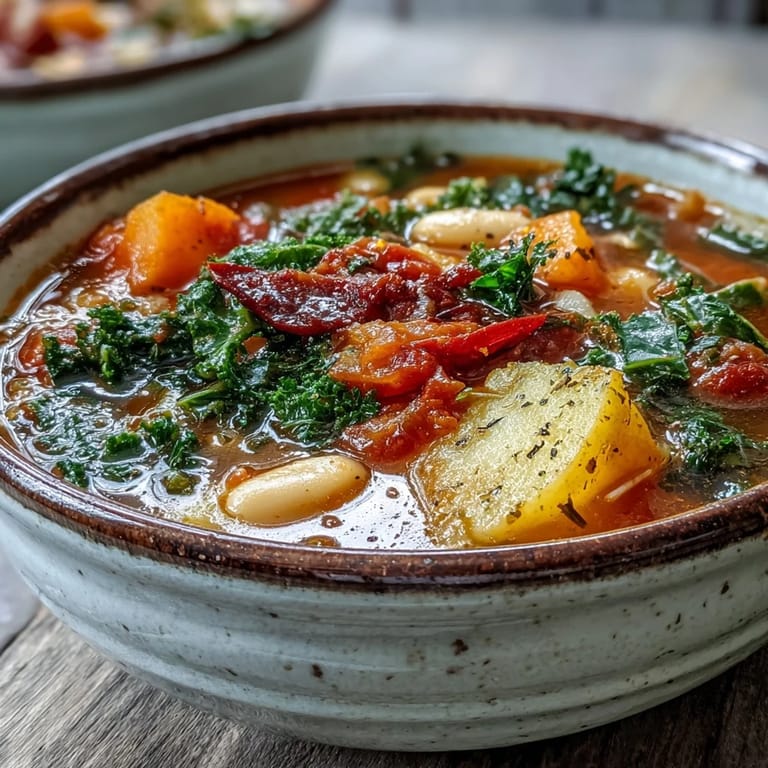
 This minestrone has become more than just a recipe in my collection - its become a ritual that marks the changing of seasons and brings comfort on days when nothing else seems to. Whenever I make it, Im reminded that good food doesnt have to be complicated to nourish both body and soul.
Recipe FAQ
- → Can I make this minestrone ahead of time?
Absolutely. This soup actually tastes better the next day as flavors have time to meld. Store in an airtight container in the refrigerator for up to 4 days. The pasta may absorb more liquid, so add a splash of broth when reheating.
- → What pasta works best in minestrone?
Small pasta shapes like ditalini, elbow macaroni, or shells work beautifully. They're perfectly proportioned for spoonfuls of soup. If you prefer, you could also use rice, small shells, or even broken spaghetti pieces.
- → Can I freeze this winter minestrone?
Yes, freeze for up to 3 months. For best results, slightly undercook the pasta before freezing, as it will continue cooking when reheated. Add fresh kale and parsley after thawing and reheating for the best texture.
- → How can I add more protein?
Stir in shredded rotisserie chicken during the last few minutes of cooking, or add extra beans like chickpeas and kidney beans. A dollop of ricotta or a Parmesan rind simmering in the broth also boosts protein and richness.
- → What can I serve alongside this soup?
Crusty bread or garlic bread is classic for soaking up the flavorful broth. A simple green salad with vinaigrette balances the heartiness. For a complete Italian meal, pair with a crisp white wine like Pinot Grigio.
- → Is butternut squash necessary?
While butternut squash adds lovely sweetness and substance, you can substitute with other winter squash like kabocha, acorn, or delicata. Sweet potatoes or regular potatoes also work well for a different take on this classic.