 Pin it
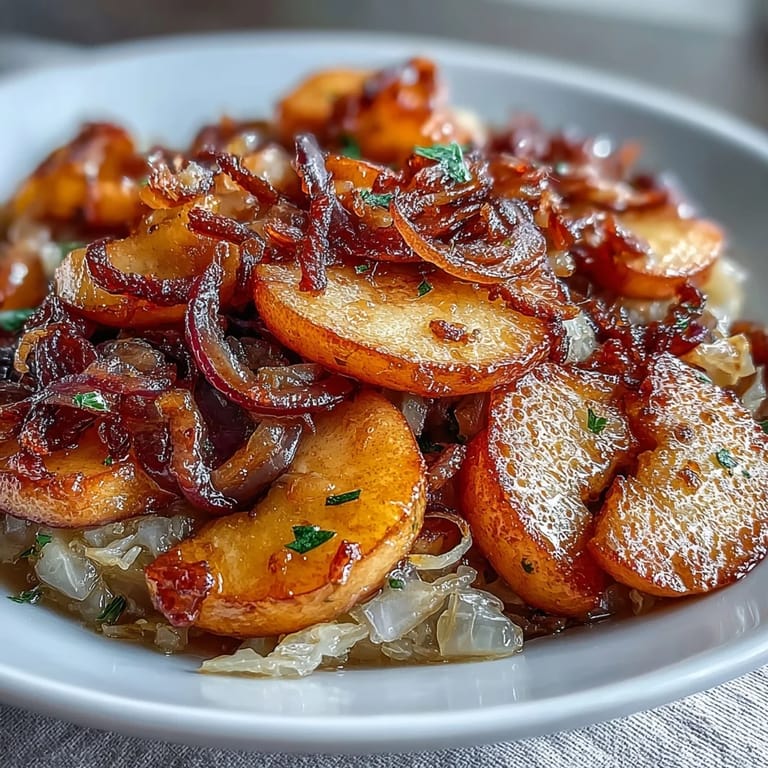
 My neighbor's kitchen smelled like caramelized apples and vinegar the afternoon she taught me this skillet salad, and I've been making it ever since without thinking twice. She pulled a jar of her homemade sauerkraut from the fridge with the kind of pride usually reserved for heirloom recipes, and within twenty minutes we had something warm, tangy, and impossibly comforting on the table. It's the kind of dish that sneaks up on you—nothing fancy, but somehow it tastes like both comfort and brightness at once. I've made it dozens of times now, and it never fails to surprise guests who expect salad to be cold and forgettable. This one sings.
I brought this to a potluck last autumn when everyone else showed up with heavy casseroles, and it became the dish people kept returning to, plates in hand. Someone asked if I'd made it from scratch, and I realized then that simple, honest food often gets overlooked in favor of things that look more elaborate. By the end of the night, a few folks had asked for the recipe, and one friend started making it weekly because she said it made her feel less bloated than other salads. That's when I knew this wasn't just another side dish.
Ingredients
- Medium apples (Honeycrisp or Gala): Their natural sweetness balances the tartness of the sauerkraut, and they hold their shape when sautéed if you don't overcrowd the pan.
- Small red onion: Thin slicing lets it soften quickly without overpowering the other flavors, and the color stays vibrant when warm.
- Fresh sauerkraut, drained: The probiotics are why your gut will thank you, and draining it prevents the skillet from becoming watery—this step matters more than it sounds.
- Olive oil: Medium heat prevents it from smoking, and it carries the flavors of the apples and spices without burning them.
- Apple cider vinegar: This specific vinegar echoes the apple flavor and adds depth that regular vinegar can't quite match.
- Honey or maple syrup: Just enough to deepen the caramel notes without making the dish sweet—think of it as a whisper, not a shout.
- Caraway seeds: Optional, but they're the secret that makes people ask what you added; use them if you want that traditional German-deli vibe.
- Freshly ground black pepper and salt: Grind the pepper right before cooking so it tastes alive and sharp.
- Fresh parsley and toasted nuts: The parsley brightens everything at the end, while the nuts add texture and earthiness that grounds the warm flavors.
Tired of Takeout? 🥡
Get 10 meals you can make faster than delivery arrives. Seriously.
One email. No spam. Unsubscribe anytime.
Instructions
- Get your pan ready:
- Heat the olive oil over medium heat until it shimmers but doesn't smoke—you'll know it's right when the first apple slice sizzles gently as it hits the pan. This usually takes about a minute, and it's worth waiting for because too-hot oil will brown everything too fast.
- Caramelize the apples and onion:
- Toss in your apple slices and red onion, stirring occasionally as they soften and the edges of the apples turn golden brown. After about five to six minutes, the apples should look almost translucent at the edges while staying intact, and the onion will be so soft it melts into the background.
- Wake up the caraway:
- If you're using caraway seeds, add them now and let them toast for just a minute—your kitchen will suddenly smell like a European delicatessen. This brief moment releases all their essential oils and transforms them from dormant to aromatic.
- Bring in the sauerkraut:
- Add the drained sauerkraut along with the apple cider vinegar, honey, and black pepper, then toss everything together gently so the warm apples don't fall apart. Let it all warm through for two to three minutes, just until you can smell the vinegar mingling with the sweet apples.
- Taste and adjust:
- Before serving, take a spoonful and think about whether it needs salt—remember that sauerkraut already brings saltiness, so go easy. This is your moment to make it taste like home.
- Finish and serve:
- Transfer everything to a serving bowl or platter, scatter the fresh parsley over top, and add the toasted nuts if you want that extra crunch and earthiness. Serve it while it's still warm, when all the flavors are at their most vibrant.
 Pin it
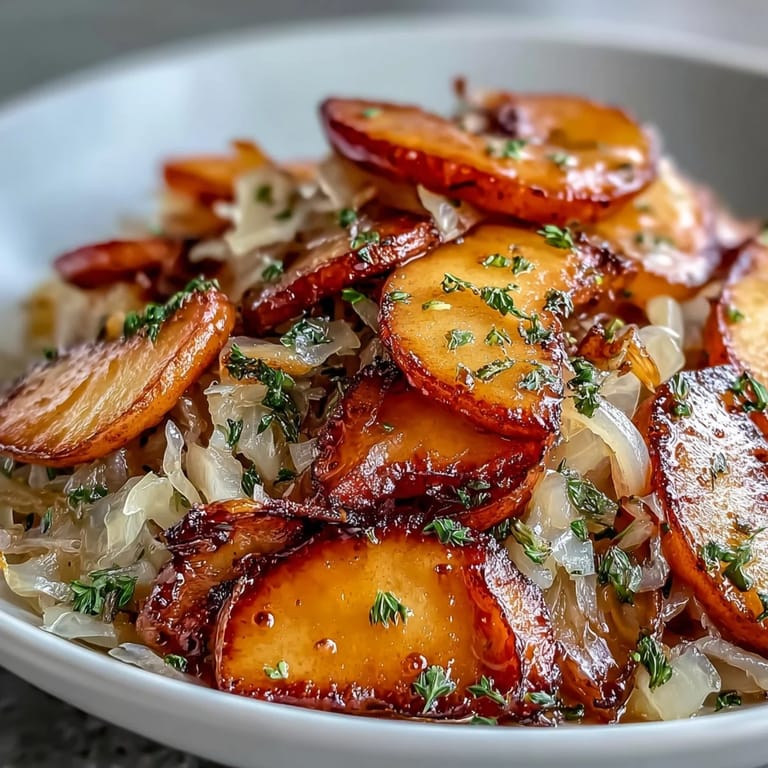
 There was an evening when my daughter came home exhausted from school and barely touched anything I offered until I set this warm bowl in front of her, and she ate it quietly while telling me about her day. It wasn't fancy, but something about the warmth and the gentle sourness seemed to settle her, and I realized that food doesn't need to be complicated to be nourishing in ways that have nothing to do with calories.
Why Warm Apples and Sauerkraut Go Together
There's something almost ancient about this pairing, like the apples and fermented cabbage were always meant to find each other on the same plate. The sweetness of caramelized apples turns soft and almost custard-like in the heat, while sauerkraut's bright acidity and slight mineral undertone cuts through that sweetness in the most graceful way. Together, they create a flavor conversation instead of competing for your attention, and that's when you know a combination is genuinely smart rather than just trendy.
The Timing Secret Nobody Mentions
I've made this dish too fast before, rushing through the caramelization step because I was impatient, and it tasted like raw apple and warm cabbage instead of something cohesive. Taking the full five to six minutes to let those apples and onion properly soften and brown makes an enormous difference in how the flavors marry together. That's when the magic happens—when everything relaxes into warmth instead of just sitting in the same pan.
Flexibility Without Losing Your Way
I've learned that this dish welcomes changes without losing its soul, which is rare and precious in cooking. You can use Granny Smith apples if you want more tartness, or stick with sweeter varieties if you prefer balance; either choice works because the sauerkraut will always pull the flavors toward complexity. The caraway seeds are truly optional if you don't love them, the honey can swap for maple syrup without hesitation, and if you want to make it heartier, a handful of kielbasa or smoked tofu transforms it from side dish to main course.
- Granny Smith apples lean into tartness while Honeycrisp or Gala bring natural sweetness—choose based on your mood and what you're serving it with.
- If you're making this vegan, maple syrup works just as well as honey and brings its own subtle molasses depth.
- Toasted walnuts add earthiness while pecans bring a slightly sweeter note—or skip them entirely if you're watching nuts for the day.
 Pin it
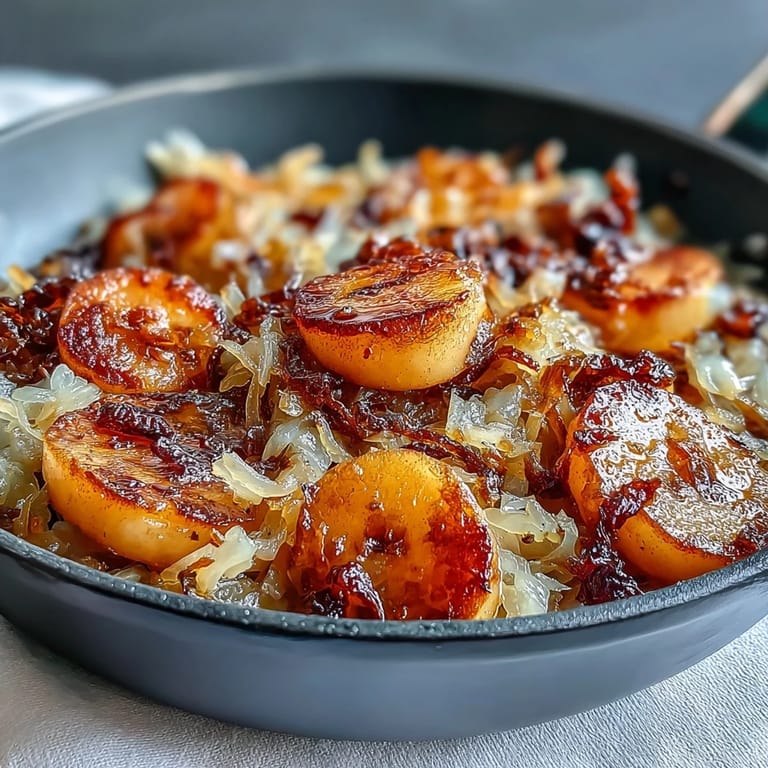
 This dish has become one of those recipes I reach for when I want to feed people something that feels thoughtful without demanding a lot of fuss. It's proof that simple food, made with attention to the few ingredients involved, often lands harder than anything more complicated.
Recipe FAQ
- → What does warm apple and sauerkraut taste like?
The flavor profile balances sweet and tangy elements beautifully. Caramelized apples provide natural sweetness, while sauerkraut adds bright tanginess. The red onions become mellow and sweet when cooked, and the caraway seeds contribute subtle earthy notes. A touch of honey or maple syrup rounds everything together.
- → Can I use different apple varieties?
Absolutely. Honeycrisp or Gala apples offer balanced sweetness, while Granny Smith adds extra tartness. For a sweeter result, try Fuji or Braeburn. The key is slicing them evenly so they caramelize nicely in the skillet.
- → Is this dish served hot or warm?
This is meant to be served warm, right after cooking. The flavors meld beautifully when slightly cooled from the skillet but still retaining warmth. It's particularly comforting during cooler months and pairs excellently with other hot dishes.
- → How long does this keep in the refrigerator?
Store leftovers in an airtight container for up to 3-4 days. Reheat gently in a skillet over low heat or enjoy cold—the flavors actually develop more depth after sitting. The nuts are best added fresh when serving to maintain their crunch.
- → What can I add to make this more filling?
Cooked kielbasa, smoked tofu, or roasted chickpeas transform this into a hearty main. Grilled bratwurst pairs traditionally, while adding cooked quinoa or brown rice increases protein and fiber. Fried eggs on top make a satisfying breakfast variation.
- → Can I make this without caraway seeds?
Caraway seeds are traditional but optional. If you don't enjoy their flavor, try fennel seeds for similar sweetness, or simply omit them. Fresh dill or thyme also work well as herb alternatives to maintain the German-inspired essence.