 Pin it
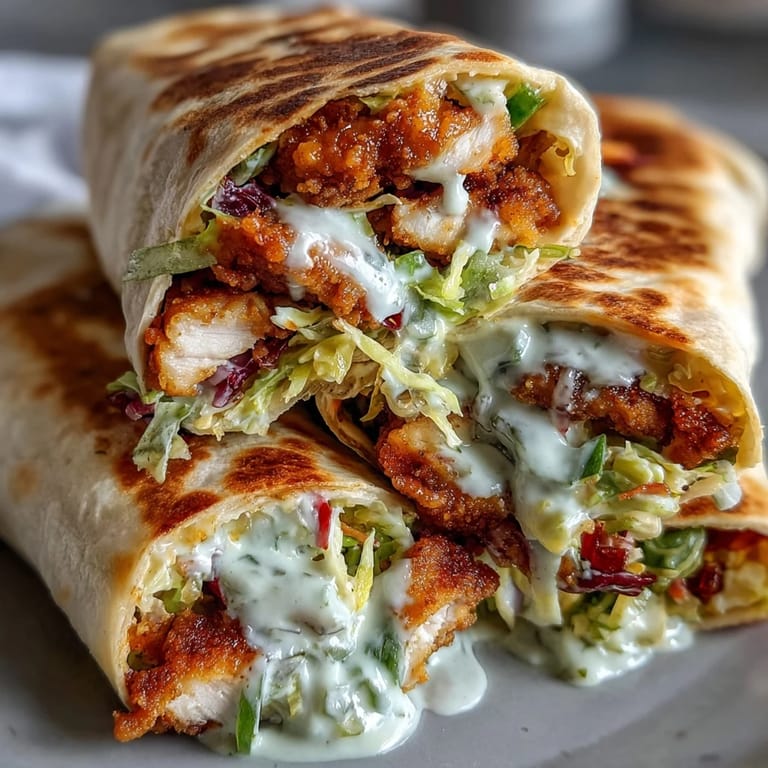
 My coworker Marcus brought these to the office one Tuesday, and I watched three people abandon their sad desk salads within minutes. He'd been experimenting with fusion cooking—that sweet spot where Korean heat meets American comfort—and somehow landed on wrapping crispy, golden turkey strips in soft tortillas with a slaw so crunchy it practically sang. One bite and I understood why he'd made a double batch, and why he'd never tell me exactly what was in that gochujang sauce.
I made these for my sister's impromptu dinner party, nervous because I'd never deep-fried anything before. The smell of that buttermilk-marinated turkey hitting hot oil filled the entire apartment, and when I pulled out those first golden strips, my hands were shaking a little—not from the heat, but from the small thrill of nailing something that looked impossibly good. She told everyone I'd been holding out on my cooking skills.
Ingredients
- Turkey or chicken breast, 400 g, cut into strips: The protein backbone here; breast meat stays tender when marinated, unlike thighs which can turn rubbery if you're not careful with timing.
- Buttermilk, 125 ml: This is your secret weapon—the acidity breaks down muscle fibers and keeps everything impossibly juicy, a trick I learned from my grandmother's fried chicken.
- Garlic powder, onion powder, smoked paprika, 1 tsp each: These three together create a savory depth that tastes expensive and complicated but costs almost nothing.
- Salt and black pepper: Don't skip seasoning the marinade itself; it's the difference between good and forgettable.
- All-purpose flour and cornstarch, 100 g and 50 g: The cornstarch is what makes the crust stay crispy even after a few minutes—pure texture magic.
- Egg, 1 large: Your binding agent; it helps the coating cling to the meat like it was meant to be there.
- Vegetable oil for frying: Use something neutral that can handle high heat; I learned this the hard way when I tried olive oil once.
- Green and red cabbage, 150 g and 50 g, finely shredded: The color contrast matters here, not just for looks but for flavor—red cabbage has a slightly different sweetness.
- Carrot, 1 medium, julienned: This adds a delicate sweetness that balances the acidic dressing and spicy sauce.
- Spring onions, 2, thinly sliced: Fresh onion brightness cuts through all the richness beautifully.
- Rice vinegar, sesame oil, honey, 1 tbsp, 1 tsp, ½ tsp: The slaw dressing; rice vinegar is gentler than regular vinegar, and sesame oil brings an unmistakable warmth.
- Gochujang, 1 tbsp: Korean chili paste with a fermented, slightly sweet heat; it's the star that ties everything together.
- Flour tortillas, 4 large: Room-temperature tortillas are easier to work with, though warming them makes them more pliable and forgiving.
Tired of Takeout? 🥡
Get 10 meals you can make faster than delivery arrives. Seriously.
One email. No spam. Unsubscribe anytime.
Instructions
- Marinate the meat with intention:
- Combine your turkey strips with buttermilk, garlic powder, onion powder, smoked paprika, salt, and pepper in a bowl, making sure every piece is submerged. Let it sit for at least 15 minutes while you prep everything else—the acid in the buttermilk is already working to tenderize.
- Set up your dredging station:
- Whisk an egg in one shallow bowl and mix your flour with cornstarch in another. Having everything ready before you start frying makes the process smooth and prevents oil splatters.
- Coat each strip with care:
- Take a marinated turkey piece, let excess buttermilk drip off, dip it completely in egg, then roll it in the flour mixture until it's evenly coated. The double coating creates that restaurant-quality crust.
- Get your oil to temperature:
- Heat 2-3 cm of vegetable oil in a deep skillet over medium-high heat; it should shimmer and move easily but not smoke. A wooden spoon handle dipped in will immediately bubble if you're ready.
- Fry in batches without crowding:
- Gently place strips into the hot oil—don't drop them from high up or you'll splash—and fry for 3-4 minutes per side until deep golden brown. Crowding the pan drops the oil temperature and turns everything greasy instead of crispy.
- Drain and let cool briefly:
- Transfer each batch to paper towels and let them rest for a minute; this absorbs excess oil while the exterior stays crunchy.
- Build your slaw with rhythm:
- Combine shredded cabbages, julienned carrot, and sliced spring onions in a bowl. Whisk together rice vinegar, mayo, sesame oil, sugar, salt, and pepper separately, then toss everything together until the vegetables are glistening and slightly wilted.
- Mix the sauce until silky:
- Blend mayo, gochujang, honey, and rice vinegar in a small bowl until smooth and there are no streaks of red chili paste. Taste it—if you want more heat, add a pinch more gochujang.
- Warm your tortillas with respect:
- A dry skillet for 20 seconds per side or a quick microwave wrap keeps them pliable without making them rubbery. Warm tortillas are forgiving and won't tear when you roll.
- Assemble with generosity:
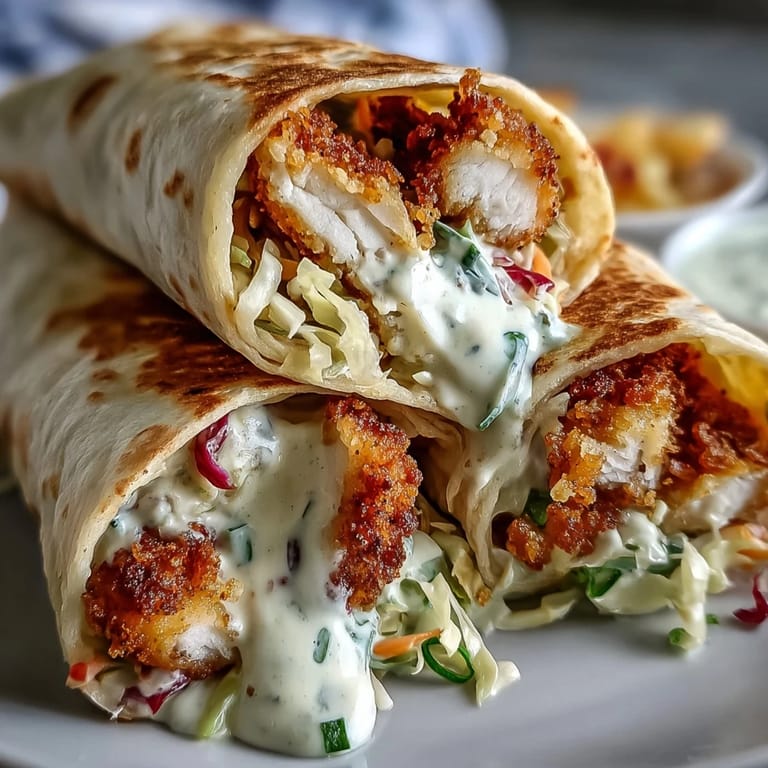
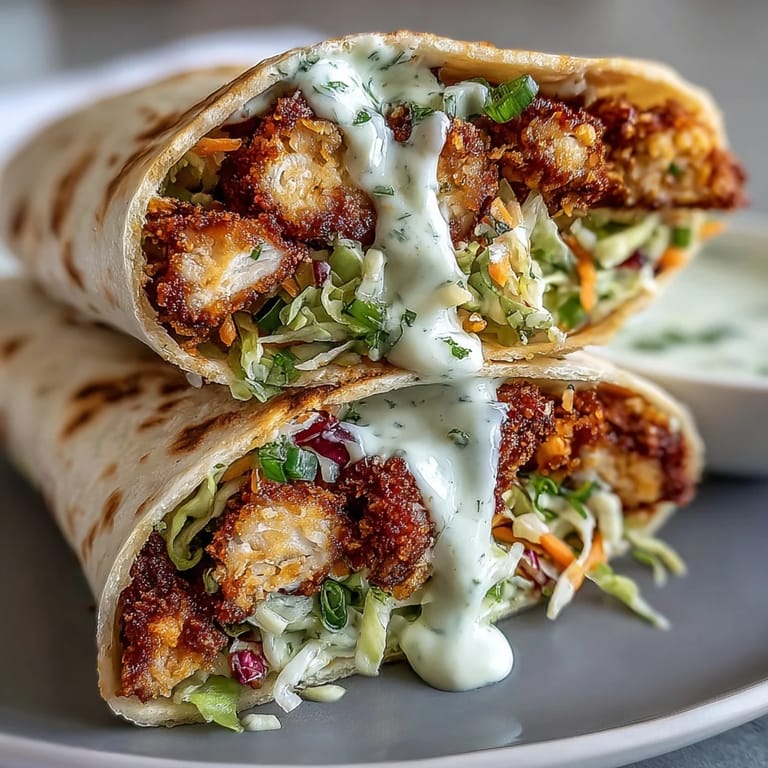
- Spread a thin layer of sauce on each tortilla, add a generous handful of slaw, top with 3-4 crispy turkey strips, drizzle with extra sauce, and finish with fresh herbs if you have them. Think of it like building layers of flavor that complement each other.
- Roll and serve immediately:
- Roll each wrap tightly from one end, slice in half at an angle (it looks better and makes eating easier), and serve right away while everything is still warm and crispy.
 Pin it
 My neighbor asked for the recipe after smelling it from the hallway, and when I wrote everything down, she looked at the list and said it seemed complicated. I realized then that fusion cooking—this meeting of Korean and American flavors—isn't about being fancy; it's about understanding that some combinations just work because they balance each other perfectly. These wraps taught me that the best meals happen when you stop overthinking and just cook with confidence.
Why the Marinade Makes All the Difference
The buttermilk is doing invisible work here, breaking down proteins and infusing the turkey with moisture and flavor that won't cook out. I once skipped marinating and tried to just bread and fry cold turkey strips straight from the package—the result was edible but dry, a reminder that shortcuts in technique always show up in the final bite. Even 15 minutes makes a noticeable difference, but if you have time to marinate for an hour, you'll taste a real improvement in tenderness and flavor absorption.
The Slaw is Your Flavor Anchor
This isn't just a side component; it's what transforms these wraps from simple fried chicken into something that feels intentional and balanced. The acidity from the rice vinegar and the umami from sesame oil cut through the richness of the fried coating and the creamy sauce, keeping your palate fresh with every bite. I've made this slaw for tacos, bowls, and even as a standalone salad because once you understand how those flavors work together, you realize it's a formula you can apply everywhere.
The Gochujang Sauce is Non-Negotiable
This is the moment where the Korean influence becomes impossible to ignore—that fermented, slightly sweet heat is what people taste first and remember last. The honey balances the chili's intensity while the rice vinegar keeps it from tasting heavy, and honestly, I've started making extra sauce just to have on hand for other meals. Don't skip it or substitute it with sriracha; gochujang has a depth that hot sauce can't replicate, and that's what makes these wraps special.
- Make the sauce the night before if you're planning ahead; the flavors meld and become more complex after sitting in the fridge.
- If you can't find gochujang at your local grocery store, look in the Asian section or order it online—it's worth the effort.
- Store leftover sauce in the fridge for up to two weeks and use it on everything from eggs to roasted vegetables.
 Pin it
 These wraps remind me that fusion cooking is just permission to trust your instincts and combine things that make you happy. They're messy, delicious, and honestly, that's the whole point.
Recipe FAQ
- → Can I use chicken instead of turkey?
Yes, chicken breast works perfectly as a substitute. Cut it into strips and follow the same marinating and frying instructions. The cooking time remains identical.
- → How do I make the coating extra crispy?
Ensure your oil is hot enough (350°F/175°C) before frying. Don't overcrowd the pan—fry in batches. The cornstarch in the coating mixture helps create that signature crunch.
- → Can I bake these instead of frying?
Baking is possible but won't achieve the same crispiness. If baking, arrange coated strips on a wire rack over a baking sheet at 400°F (200°C) for 20-25 minutes, flipping halfway.
- → How long can I store the components?
The slaw stays fresh for 2-3 days refrigerated. Cooked turkey strips are best eaten immediately but can be reheated in a 350°F oven for 10 minutes. Assemble wraps just before serving.
- → What can I substitute for gochujang?
Sriracha mixed with a little miso paste or Korean chili flakes (gochugaru) works well. For a milder sauce, use extra honey and omit the spicy element entirely.
- → Are these wraps freezer-friendly?
Fried turkey strips freeze well for up to 3 months. Reheat from frozen in a 375°F oven for 15-20 minutes. The slaw and sauce are best made fresh.