 Pin it
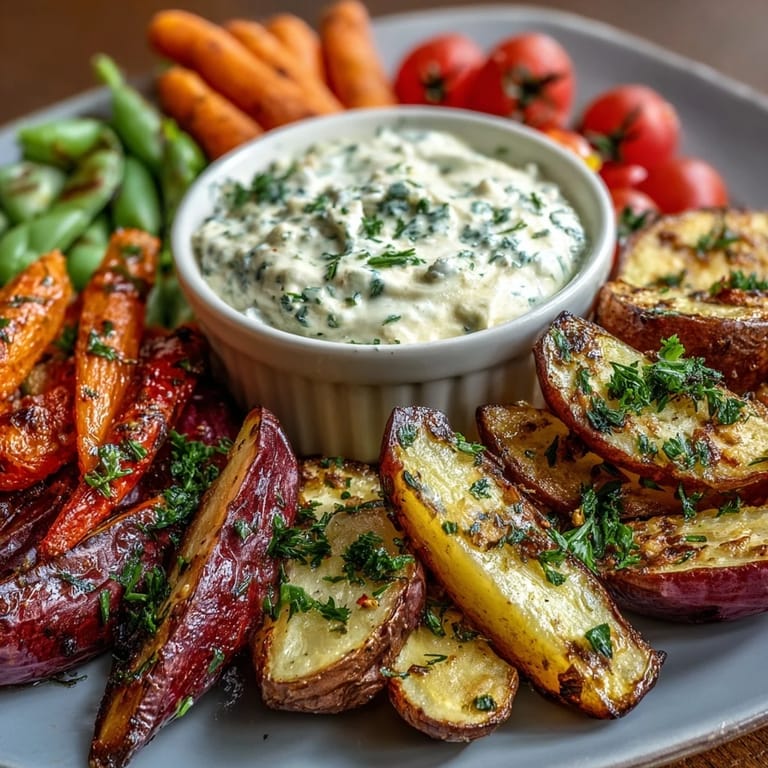
 Last spring, my neighbor showed up at my door with an armful of radishes from her garden, their green tops still attached and soil clinging to the roots. She had that look—the one that says I grew too many and need your help. I blanched some peas that afternoon, sliced everything into neat little piles, and whisked together a dip so bright with herbs it practically glowed. By evening, the board was surrounded by friends who kept coming back for just one more radish, one more bite of that creamy dill-kissed dip. That's when I realized this wasn't just appetizer food; it was the edible version of saying hello to warmer days.
I made this board for an impromptu lunch with my sister, who'd been stressed about work all week. We sat on the porch, the sun warm on our shoulders, and she ate three cucumber slices before even touching the dip. By the time we finished, she was laughing again, and the platter was nearly bare. Sometimes the best meals aren't the complicated ones—they're the ones that taste like you actually had time to live a life while making them.
Ingredients
- Breakfast radishes: These thin-skinned, mild radishes are perfect raw because they're snappy without being aggressively peppery—look for them at farmers markets in spring, and keep the trimmed roots icy cold until serving.
- Sugar snap peas: Leave them raw for that satisfying crunch; the sweetness contrasts beautifully against the tangy dip.
- Fresh or frozen peas: If using fresh, blanch them quickly and chill immediately to lock in that bright green color and tender bite.
- Baby carrots: Their natural sweetness and delicate size make them perfect for grazing without much effort.
- Cherry tomatoes: Halve them to expose the juicy interior and make them easier to pick up; choose ones that are ripe but still firm.
- Cucumber: Slice thin and lay them out just before serving so they don't weep water onto the board.
- Greek yogurt: This is your base—creamy, tangy, and sturdy enough to hold all those fresh herbs without breaking down.
- Mayonnaise: Just enough to add richness and help the dip cling to vegetables; don't skip it even if it seems fussy.
- Fresh lemon juice: Squeeze it yourself right before mixing; bottled won't give you that bright, living quality the dip needs.
- Fresh herbs (chives, parsley, dill): These three together create that signature spring flavor—buy them as close to serving time as possible, and use the tender leaves from the center of the bunch.
- Garlic: One small clove, minced fine, adds a whisper of sharpness that brings everything into focus without overwhelming.
Tired of Takeout? 🥡
Get 10 meals you can make faster than delivery arrives. Seriously.
One email. No spam. Unsubscribe anytime.
Instructions
- Wash and prepare your vegetables:
- Run everything under cool water, trim the radishes and peas, and lay each component on a clean towel to dry completely. Wet vegetables slip around on the board and look less appetizing, so give yourself permission to be thorough here.
- Build your dip:
- In a bowl, whisk together the yogurt, mayo, and lemon juice until smooth, then fold in your minced herbs and garlic with a gentle hand. Taste it before you season—you might need less salt if your parsley was particularly salty from rinsing.
- Arrange the board:
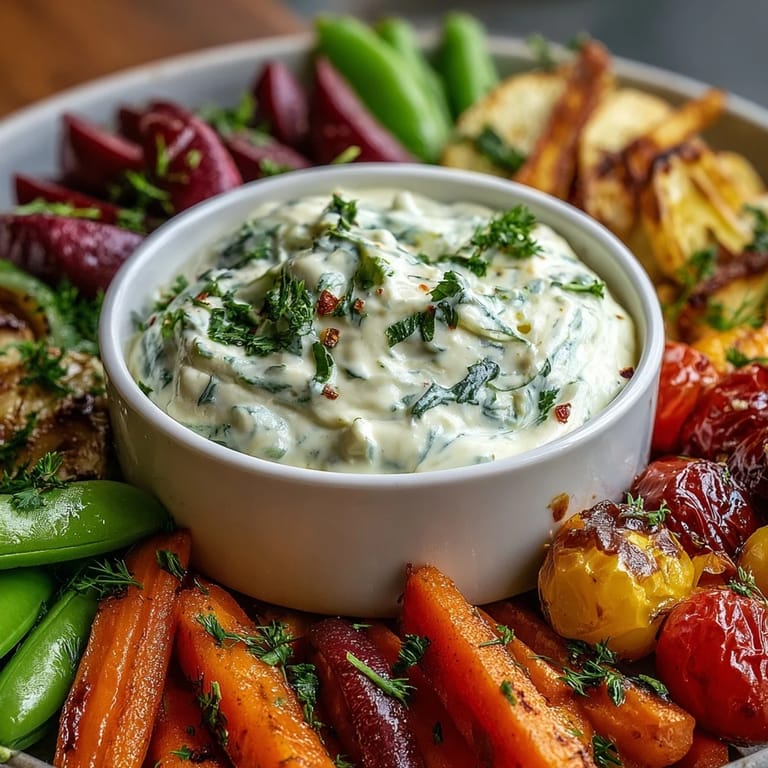
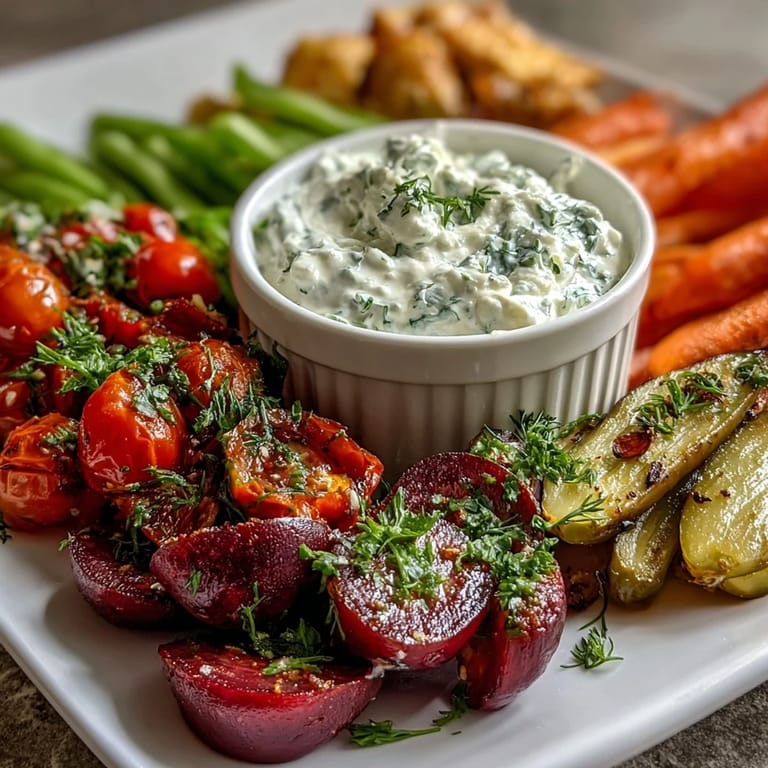
- Start by placing your dip bowl slightly off-center so it has room to breathe, then arrange vegetables in clusters by color and type rather than scattering them randomly. The eye enjoys patterns, even loose ones.
- Add the finishing touches:
- Scatter microgreens across the board if you have them—they add height and visual interest—and crumble feta over the vegetables so it catches light. If you're adding crackers, tuck them into one corner rather than overwhelming the vegetables.
- Serve immediately:
- The vegetables stay crispest within the first hour, and the dip's herb flavor is brightest before it sits too long. Your guests will thank you for this small timing consideration.
 Pin it
 My mother used to say that a well-made board is an act of generosity, not just feeding. She meant that when you take the time to make things beautiful and accessible, people feel seen. Every time I arrange vegetables with intention, I'm remembering her kitchen and that small wisdom that stuck with me.
Why Fresh Herbs Matter More Than You Think
The difference between a dip that tastes like spring and one that tastes like the back of a refrigerator comes down to fresh herbs. Dried herbs have their place, but in this dip, they're mandatory fresh—the chlorophyll in living parsley and dill creates a color and flavor that dried versions simply cannot match. When you tear a fresh chive and smell that bright onion-grass scent, that's what your guests will taste in every bite.
The Art of the Vegetable Board
Boards are forgiving in the best way; there's no recipe, no timing, no risk of failure. What makes them successful is understanding that people eat with their eyes first, and variety in color, shape, and texture creates interest. Radishes bring magenta and white contrast, peas add dots of green, and carrots give you that warm orange glow that makes everything else pop.
Seasonal Swaps and Endless Possibilities
This board is a love letter to spring, but it's also a template you'll want to return to all year. Summer brings blanched green beans and sliced stone fruits; fall invites roasted beets and apple slices; winter can feature lightly pickled vegetables and roasted Brussels sprouts. The herb dip adapts beautifully too—swap dill for tarragon in summer, add smoked paprika in fall, or introduce fresh mint for a Mediterranean twist. Keep these swaps in mind when you're shopping and see what looks particularly vibrant.
- Blanch hearty vegetables like asparagus and green beans for just two to three minutes, then shock them in ice water to preserve their snap.
- If you're doubling this for a crowd, make the dip in two separate bowls so guests aren't reaching across each other and screwing up your arrangement.
- Taste the dip as you build it—yogurt brands vary in tanginess, so you might need to adjust lemon juice or salt to suit your palate.
 Pin it
 This board is your permission slip to stop overthinking appetizers. Set it out, watch people linger, and enjoy the easy generosity of feeding others without stress.
Recipe FAQ
- → What vegetables are featured on the board?
It includes radishes, sugar snap peas, shelled peas, baby carrots, cherry tomatoes, and cucumber slices.
- → How is the creamy dip prepared?
The dip combines Greek yogurt, mayonnaise, fresh lemon juice, chopped chives, parsley, dill, garlic, salt, and pepper for a fresh herby flavor.
- → Can this be made vegan?
Yes, you can substitute Greek yogurt with plant-based yogurt and use vegan mayonnaise to create a dairy-free version.
- → What are some suggested garnishes?
Microgreens and crumbled feta cheese add texture and flavor, and optional crackers or sliced baguette can be served on the side.
- → How long does preparation take?
All preparation can be completed in about 20 minutes, with no cooking time required for the vegetables.