 Pin it
 There's a moment that happens in every kitchen when something clicks, and for me, it was realizing that spicy peanut noodles didn't need to come from a takeout container to be absolutely crave-worthy. I was standing in my apartment one weeknight, hungry and out of excuses, when I decided to stop buying expensive delivery and just throw together what I had—peanut butter, some rice noodles, hot sauce, and a few vegetables. What came together was so good that I've made it a dozen times since, each time tweaking it slightly, each time wondering why it took me so long to figure out something so simple.
I made this for my roommate once when they came home complaining about a terrible day, and watching their whole mood shift after one bite was proof enough that food can be genuine comfort. The noodles were slightly warm, the sauce clung to everything perfectly, and there was something about the combination of crunchy peanuts and fresh cilantro that made them put their phone down and just eat. We sat on the kitchen counter in silence for a minute, and that's when I knew this recipe was keeper.
Ingredients
- Dried rice noodles or spaghetti (12 oz): Rice noodles give you a slightly softer, more delicate texture, but honestly, spaghetti works just fine if that's what you have—I've done both and they're equally good.
- Creamy peanut butter (1/2 cup): This is the soul of the sauce, so don't use the natural kind that's separated into oil and solids unless you don't mind a grainier texture.
- Soy sauce (1/4 cup): The saltiness here brings everything together, so measure it properly—I learned this the hard way by eyeballing it once.
- Rice vinegar (2 tbsp): This adds brightness and cuts through the richness of the peanut butter in a way that makes you want to keep eating.
- Toasted sesame oil (1 tbsp): Don't skip this or substitute it with regular sesame oil—the toasted version has a deep, nutty flavor that regular oil just won't give you.
- Honey or maple syrup (2 tbsp): Either works, and it balances the heat and salt with a subtle sweetness that feels sophisticated rather than dessert-like.
- Sriracha or chili garlic sauce (2–3 tbsp): Start with 2 tablespoons and taste as you go—spice tolerance is personal, and you can always add more but you can't take it out.
- Garlic (2 cloves, minced): Fresh garlic makes a difference here, so don't be tempted by the jarred stuff.
- Fresh ginger (1 tbsp, grated): Ginger adds a subtle warmth that keeps the sauce from feeling one-dimensional.
- Warm water (1/4 cup): This helps you get the sauce to the right consistency—it should pour but still cling to the noodles.
- Shredded carrots (1 cup): Raw carrots stay crunchy and add a sweet contrast, but if you prefer them softer, you can quickly sauté them first.
- Thinly sliced bell pepper (1 cup): Any color works, though I prefer red or orange for their sweetness and the way they look against the sauce.
- Scallions (2, thinly sliced): Save some to sprinkle on top for that fresh, sharp onion bite at the very end.
- Chopped roasted peanuts (1/4 cup): Roasted, not raw—the flavor is deeper and the texture is exactly what you need for contrast.
- Fresh cilantro (1/4 cup, chopped): If cilantro tastes like soap to you, use fresh mint or basil instead and don't feel bad about it.
- Lime wedges: These are non-negotiable—that squeeze of acid at the end is what makes people ask for the recipe.
Tired of Takeout? 🥡
Get 10 meals you can make faster than delivery arrives. Seriously.
One email. No spam. Unsubscribe anytime.
Instructions
- Boil the noodles until tender:
- Fill a large pot with salted water and bring it to a rolling boil, then add your noodles and cook according to the package instructions. As soon as they're tender but not mushy, drain them in a colander and rinse them under cold water until they're completely cool—this stops the cooking and keeps them from clumping together.
- Make the sauce while everything cooks:
- In a medium bowl, add the peanut butter, soy sauce, rice vinegar, sesame oil, honey, sriracha, minced garlic, and grated ginger, then whisk it all together until you have a smooth, pourable consistency. If it's too thick, add warm water a little at a time until it coats the back of a spoon but still drips off—that's your target.
- Combine the noodles with the vegetables:
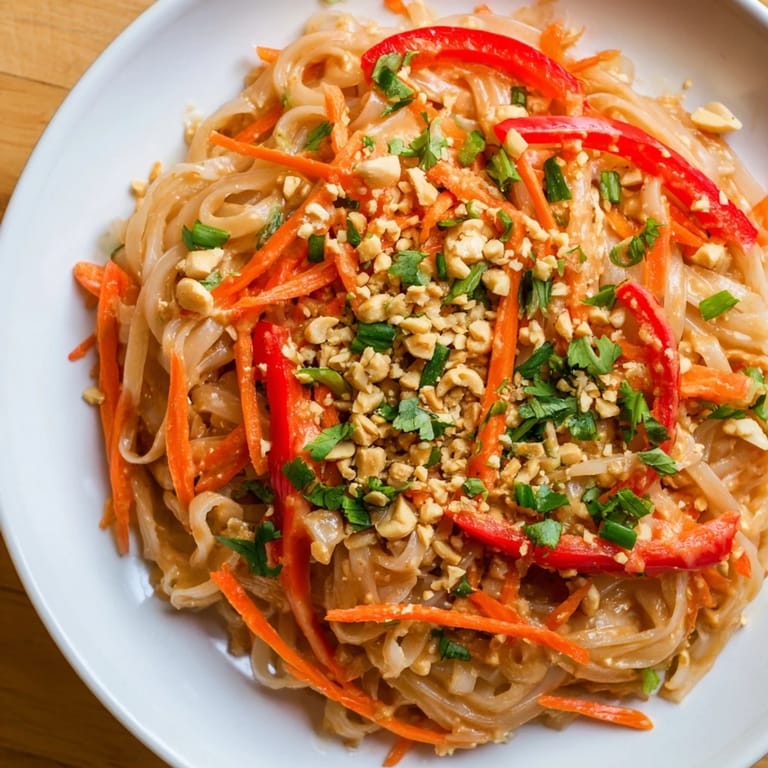
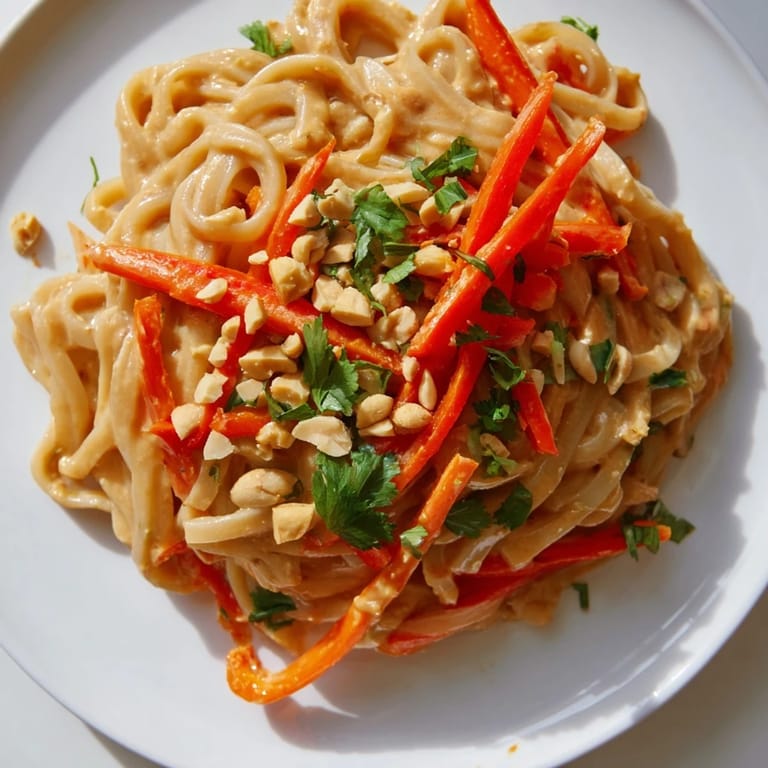
- In a large mixing bowl, toss together your cooled noodles with the shredded carrots and sliced bell pepper, then pour the peanut sauce over everything and mix until every strand of noodle is coated and glistening. You want every bite to have sauce on it, so don't be shy with the tossing.
- Plate and finish:
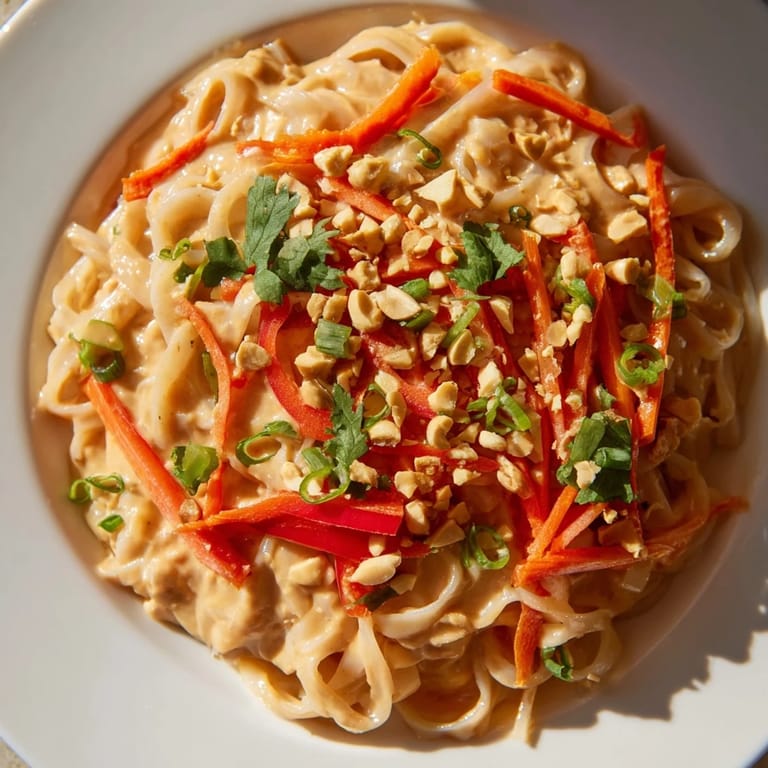
- Divide the noodles among your serving bowls, then top each one with sliced scallions, roasted peanuts, fresh cilantro, and a generous squeeze of lime juice. The lime is crucial—it brightens everything and ties all the flavors together.
- Serve hot or chilled:
- You can eat this immediately while the noodles are still slightly warm and the vegetables are crisp, or you can let it sit in the fridge and serve it cold for a different but equally satisfying experience.
 Pin it
 The thing I love most about this recipe is that it somehow feels both quick enough for a weeknight and special enough to make for guests. I've served it cold at summer picnics, warm on cold nights, and adapted it with whatever protein and vegetables I had on hand, and it's never let me down.
Making This Your Own
The beauty of this recipe is that it's a template, not a rulebook. Once you understand how the sauce works—the balance of creamy peanut butter, salty soy sauce, hot sriracha, and bright acid from the vinegar and lime—you can play with the other elements without worry. I've made versions with roasted chickpeas, shredded rotisserie chicken, pan-fried tofu, and even a few sliced hard-boiled eggs, and they've all been delicious. The vegetables can shift with the seasons too—try snap peas in spring, cucumber in summer, or shredded beets for earthiness and color.
Storage and Make-Ahead Tips
This recipe actually tastes better the next day once the flavors have had time to mingle, so don't hesitate to make a double batch and pack it for lunch. Store it in an airtight container in the fridge for up to three days, and if the noodles absorb the sauce and things feel a bit dry when you reheat, just drizzle a little extra sesame oil and lime juice over the top. You can also make the sauce up to two days in advance and store it separately, then toss it with freshly cooked noodles and vegetables whenever you're ready to eat.
Why This Works Every Time
The reason this dish has become such a staple in my kitchen is that it requires almost no special technique and works with whatever you have on hand. The sauce comes together in one bowl, the noodles cook while you're prepping vegetables, and assembly is just a matter of tossing everything together. There's no flipping, no waiting, no stress—just a delicious meal that tastes like you spent more time on it than you actually did.
- If you don't have sriracha, any hot sauce with some body to it will work—just add it slowly and taste as you go.
- Nut-free? Sunflower seed butter, tahini, or even almond butter can stand in for the peanut butter without changing the outcome.
- Make extra sauce and keep it in a jar in the fridge for drizzling over rice bowls, roasted vegetables, or even as a dipping sauce for spring rolls.
 Pin it
 This recipe has somehow become the thing people ask me to make, the meal I turn to when I want to feel like I'm taking care of myself without spending hours in the kitchen. It's proof that simple, honest cooking—the kind where you understand every ingredient and why it's there—is often the best.
Recipe FAQ
- → What type of noodles work best for this dish?
Dried rice noodles or spaghetti both work well; choose what you have on hand or prefer for texture.
- → Can the heat level be adjusted?
Yes, simply vary the sriracha or chili garlic sauce amount to suit your taste preference.
- → Are there good alternatives to peanut butter?
Almond or cashew butter can be substituted to offer a different nutty flavor while maintaining creaminess.
- → How can I make this dish gluten-free?
Use tamari instead of soy sauce and ensure the noodles are certified gluten-free.
- → Can the noodles be served cold?
Yes, chilling the tossed noodles enhances the flavors and provides a refreshing option for warmer days.