 Pin it
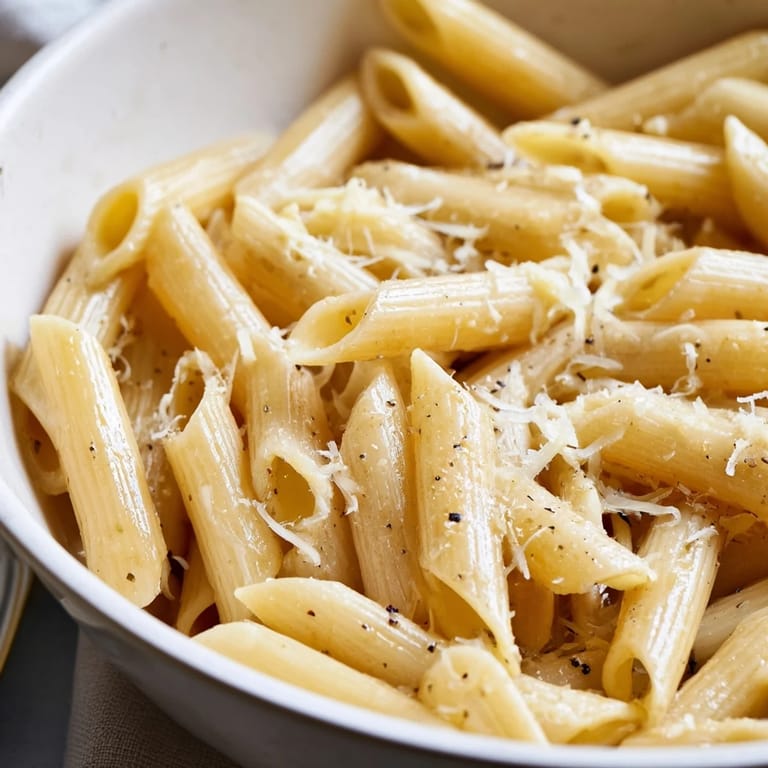
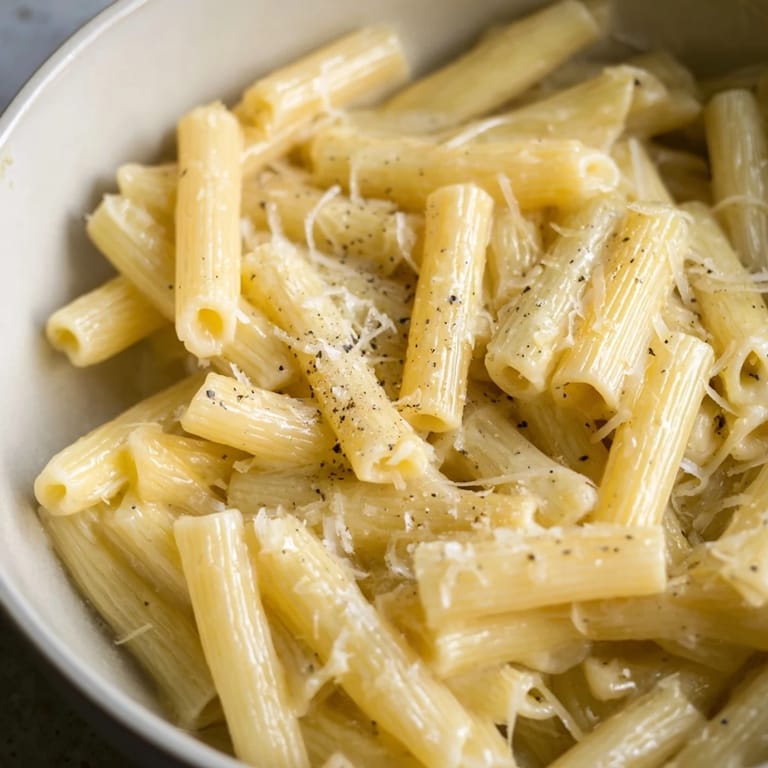
 My microwave used to be strictly for reheating leftovers until a particularly frantic Tuesday changed everything. I had twenty minutes before an evening call, no clean pots, and a rumbling stomach that refused to wait. That bowl of perfectly tender penne, made entirely in the microwave, tasted like a small rebellion against the tyranny of dirty dishes. Now it is my secret weapon for nights when cooking feels like climbing a mountain.
I made this for my nephew when he moved into his first apartment with nothing but a microwave and a dream. He called me two days later, amazed that real food could happen without a stove. Watching him gain confidence in that tiny kitchen, one bowl of pasta at a time, reminded me that cooking does not always need fancy equipment to feel like an accomplishment.
Ingredients
- Dried pasta: Short shapes like penne or fusilli work beautifully because they cook evenly and do not clump together in the bowl.
- Water: The right ratio is key, too little and the pasta scorches, too much and you are left draining forever.
- Salt: Just a pinch seasons the pasta as it absorbs water, the way it would in a pot on the stove.
- Olive oil or butter: A small spoonful stirred in at the end keeps everything silky and prevents sticking.
- Parmesan cheese: Freshly grated melts into the hot pasta like a warm hug, transforming simplicity into comfort.
- Black pepper: A few grinds wake up the flavors without overpowering the dish.
- Marinara sauce or pesto: Optional but wonderful, turning plain pasta into something that feels intentional and complete.
Tired of Takeout? 🥡
Get 10 meals you can make faster than delivery arrives. Seriously.
One email. No spam. Unsubscribe anytime.
Instructions
- Set up your bowl:
- Choose a large microwave safe bowl because pasta bubbles up dramatically as it cooks and you do not want a boiled over mess. The pasta should sit comfortably in the bottom, leaving plenty of room above.
- Add water and salt:
- Pour in the water and sprinkle the salt over the pasta, then give it a quick stir so nothing sticks together before cooking begins.
- First microwave burst:
- Microwave uncovered on high for 4 minutes to get the water boiling and the cooking started. The uncovered part matters because steam needs to escape.
- Stir and continue:
- Stir the pasta to redistribute it in the water, then microwave in 2 minute bursts, stirring after each one, until the pasta is tender and most of the water has disappeared. Total time runs between 8 and 10 minutes depending on your microwave and pasta shape.
- Drain if needed:
- If a puddle of water remains at the bottom, tip the bowl carefully over the sink to drain it off.
- Finish and serve:
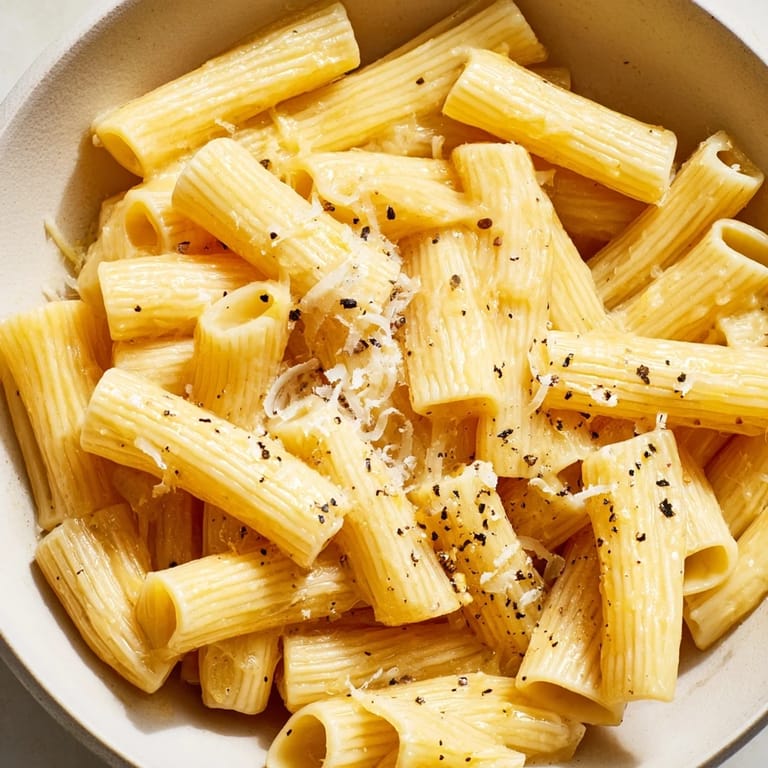
- Stir in your olive oil or butter, Parmesan, black pepper, and any sauce you are using while the pasta is still steaming hot. Eat it straight from the bowl.
 Pin it
 There was a night last winter when the power went out everywhere except the microwave outlet, and this bowl of pasta felt like a small miracle. My daughter and I ate by flashlight, laughing about our apocalypse dinner, and somehow it tasted better than anything I had made that week. Sometimes the best meals are the ones that simply show up when you need them.
Choosing the Right Pasta Shape
Short sturdy shapes like penne, fusilli, and elbow macaroni thrive in the microwave because they tumble easily when you stir and cook evenly without tangling. Long skinny pasta like spaghetti can work but requires a deeper bowl and more attention to keep it submerged. I have learned that ridged shapes hold onto sauce better, turning even a simple drizzle of olive oil into something that clings and coats. Avoid delicate shapes like orzo or angel hair because they turn mushy before you realize what happened.
Making It a Complete Meal
This basic bowl becomes dinner when you stir in handfuls of whatever you have around. I have added frozen peas in the last two minutes of cooking, leftover rotisserie chicken torn into pieces, or a handful of fresh spinach that wilts instantly in the heat. A spoonful of ricotta stirred through makes it creamy without any extra steps. The beauty is that nothing requires a second dish or a separate pan.
Troubleshooting and Adjustments
If your pasta comes out too firm, add a splash more water and microwave for another minute. If it is too soft, you probably went a minute too long, so next time pull it earlier and let residual heat finish the job. Gluten free pasta behaves a little differently and may need an extra minute or two, so taste as you go.
- Use less water for thicker shapes and slightly more for thin ones.
- If the pasta tastes bland, you forgot to salt the water, so season generously at the end.
- A drizzle of the starchy cooking water left in the bowl helps sauce cling better.
 Pin it
 This little bowl of pasta has saved more evenings than I can count, and I hope it does the same for you. Sometimes the simplest solutions are the ones that stick around the longest.
Recipe FAQ
- → What pasta shapes work best for microwave cooking?
Penne, fusilli, and elbow macaroni are ideal for microwave preparation as they cook evenly and quickly. Avoid long pasta shapes like spaghetti, which may not fit properly in the bowl and can cook unevenly.
- → Why is it important not to overfill the microwave bowl?
Filling the bowl more than halfway creates insufficient space for water to boil and expand during cooking. This can cause water to overflow, creating a mess and potentially damaging your microwave.
- → How do I prevent excess water in the finished pasta?
Most water absorbs naturally during cooking, but if excess remains after the pasta reaches al dente consistency, simply pour it off using a small strainer or by carefully tilting the bowl over the sink while holding back the pasta with your spoon.
- → Can I use gluten-free pasta with this method?
Yes, gluten-free pasta works well with this cooking method. However, cooking time may vary depending on the brand and pasta shape, so check for doneness frequently during the microwave cooking increments to achieve your preferred texture.
- → What microwave wattage is needed for this cooking method?
This method works with standard 700-1000 watt microwaves. Higher wattage microwaves may cook faster (8 minutes), while lower wattage units may require up to 10 minutes. Start with 4 minutes on high, then continue in 2-minute increments until pasta reaches your desired doneness.
- → How can I make this a more substantial meal?
Add cooked vegetables such as spinach, bell peppers, or tomatoes, fresh herbs like basil or parsley, or cooked proteins like grilled chicken, shrimp, or beans. These additions transform the simple pasta into a complete, balanced main course.