 Pin it
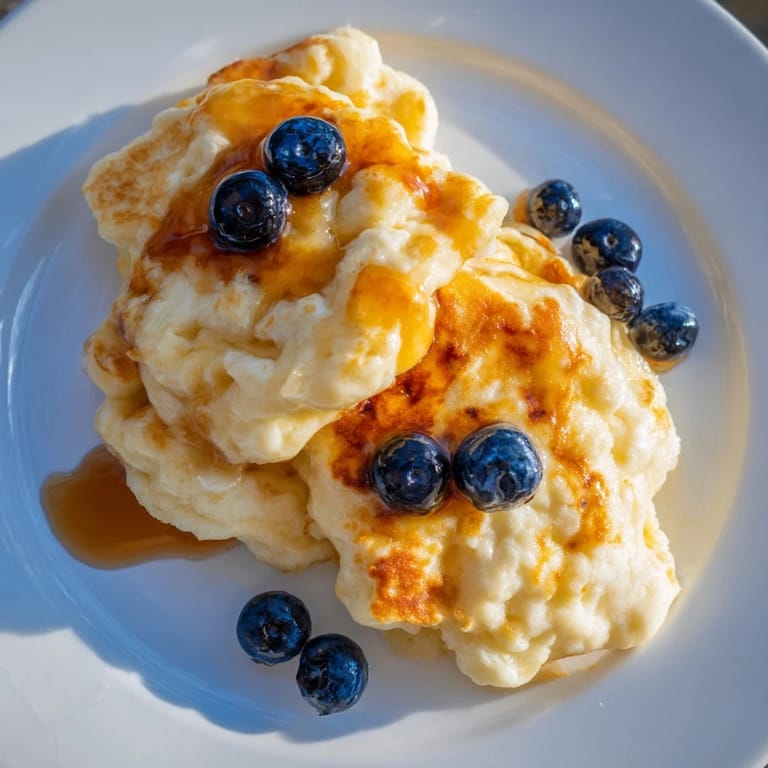
 There's something wonderfully forgiving about a scrambled pancake. I stumbled onto this technique on a Tuesday morning when I was rushing and didn't want to fuss with flipping, so I just started pushing the batter around in the pan like I was making eggs. The result was this cloud of soft, custardy pancake pieces that my kitchen smelled like vanilla and butter for hours afterward. Now I make them whenever I want breakfast that feels special without the performance of traditional pancakes.
My neighbor came over one Sunday and sat at the kitchen counter while I made these, and the smell of melting butter mixed with vanilla got her attention before she even sat down. She ate three helpings and asked if I'd been secretly training as a pastry chef. I think it was the simplicity of it that won her over—something that looks effortless but tastes like genuine comfort.
Ingredients
- All-purpose flour: One cup gives you structure without being heavy, the base that holds everything together gently.
- Granulated sugar: Just two tablespoons add sweetness without making these taste like dessert, balancing the salty notes from the butter.
- Baking powder and baking soda: Together they create the lift that makes scrambled pancakes fluffy rather than dense, and the soda reacts with the yogurt for extra rise.
- Salt: A quarter teaspoon is small but essential, it makes the vanilla taste more like vanilla.
- Large eggs: Two eggs bind everything and add richness, the yolks especially contribute to that custardy texture.
- Milk: Three-quarters cup keeps the batter pourable and creates steam as it cooks, which is part of the fluffiness magic.
- Greek yogurt or sour cream: A quarter cup adds tang and tenderness, and it reacts with the baking soda for extra lift.
- Unsalted butter, melted: Two tablespoons plus more for the pan provide richness and that particular golden color you're after, plus it makes everything taste less institutional.
- Vanilla extract: One teaspoon is the quiet backbone of the whole thing, barely noticeable until it's missing.
- Optional add-ins: Blueberries, chocolate chips, or diced fruit can go in but aren't necessary—sometimes the simplest version is the best.
Tired of Takeout? 🥡
Get 10 meals you can make faster than delivery arrives. Seriously.
One email. No spam. Unsubscribe anytime.
Instructions
- Bring the dry ingredients together:
- Whisk the flour, sugar, baking powder, baking soda, and salt in a large bowl until everything looks evenly mixed. You're looking for a pale, uniform powder with no hidden pockets of baking soda.
- Combine wet and dry:
- Pour the eggs, milk, yogurt, melted butter, and vanilla into the flour mixture and whisk until just barely combined—some lumps are your friend here because overmixing makes tough pancakes. The batter should be thick but still pourable, with a slight cottage-cheese texture to it.
- Fold in any additions:
- If you're using berries or chocolate chips, fold them in gently now so they're distributed but not crushed.
- Heat the pan:
- Get your nonstick skillet over medium heat, then add a thin coating of butter and let it melt completely. When the butter is foaming and smells toasty, you're ready.
- Pour and wait:
- Pour all the batter into the hot pan and let it sit undisturbed for one to two minutes—this is when the bottom starts to set and you'll see the edges looking slightly opaque. Don't move it yet, this resting time matters.
- Scramble gently:
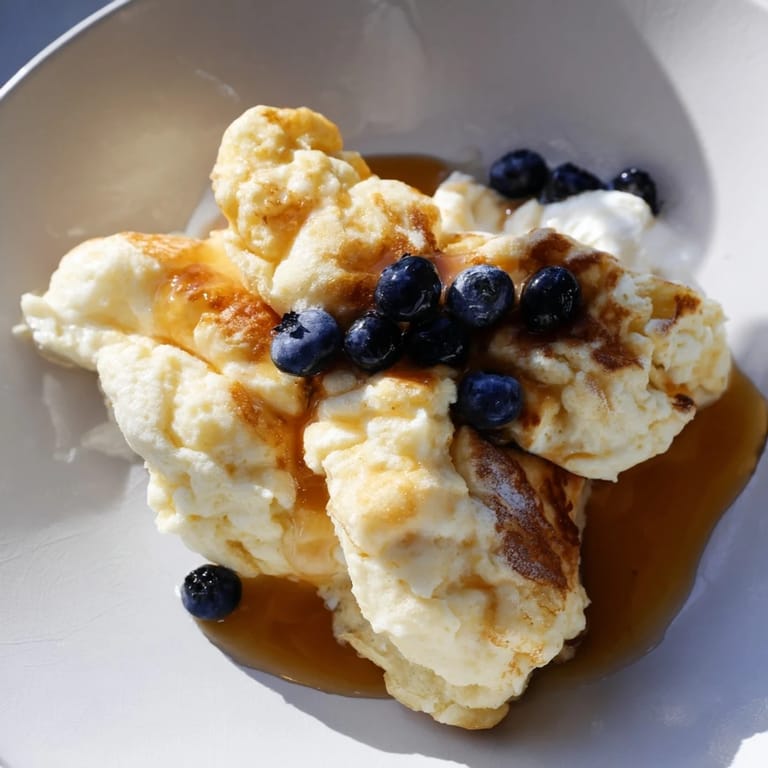
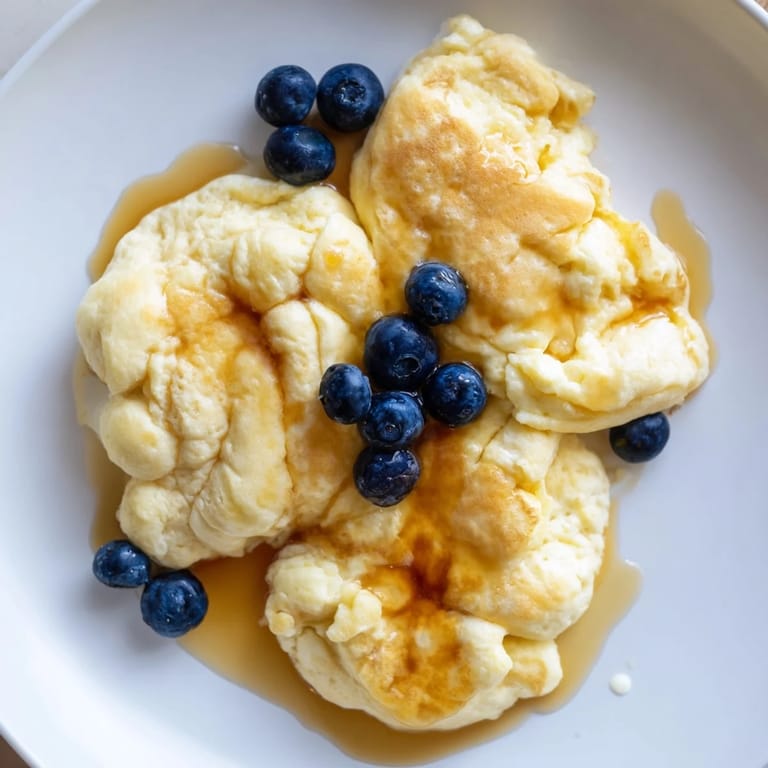
- Using a spatula, start gently pushing and folding the batter from the edges toward the center, just like you're making scrambled eggs. The pieces should be large and fluffy, not broken into tiny bits, and you'll see them turning pale golden as air gets incorporated.
- Cook until just set:
- Keep folding gently for another three to four minutes until the pancake pieces are cooked through but still feel slightly tender when you poke them. They should be mostly opaque with some edges catching light golden color.
- Serve immediately:
- Transfer to a plate while they're still warm and serve with whatever toppings call to you—maple syrup, fresh berries, or just a dusting of powdered sugar.
 Pin it
 I made these for my partner on their birthday morning and they said it felt like I'd somehow made breakfast taste like a hug. There's something about food made with actual care and attention, even simple food, that people notice.
The Beauty of the One-Bowl Approach
The real genius of this recipe is that you're not managing multiple bowls or carefully folding egg whites into a meringue or any of the fancy techniques that make pancakes feel intimidating. Everything goes into one bowl, gets whisked together, and then the pan does most of the work for you. It's honest cooking, the kind where the recipe trusts you to know when something looks right rather than asking you to hit exact temperatures or wait for specific cues that don't quite make sense until you've done it five times.
Why Scrambling Changes Everything
The moment you start folding instead of flipping, the entire texture of the pancake shifts into something unexpected. The batter creates these pockets and crevices as you fold it, which means more surface area gets exposed to heat and more of the outside gets that slight crispness while the inside stays pillowy. It's almost like the pancake is cooking from multiple directions at once, and the result is something that's part pancake, part French scramble, and entirely its own thing. Once you understand that texture comes from technique as much as ingredients, breakfast becomes a lot more interesting.
Variations That Actually Work
The beauty of this formula is that it handles substitutions without getting weird or requiring you to recalculate everything. You can swap the Greek yogurt for buttermilk if you want a tangier result that feels slightly more like a traditional pancake, or you can add cinnamon, cardamom, or lemon zest to the dry ingredients and suddenly you have something that tastes completely different. I've also found that separating the eggs and whisking the whites to soft peaks before folding them in creates an almost impossibly fluffy version, though it does add an extra step and dirty bowl—it's the kind of thing to do when you have time and energy.
- Cinnamon or cardamom work beautifully, added to the dry ingredients so they toast slightly as the pan heats.
- Lemon or orange zest brings brightness without making these taste like citrus pancakes, just like you added an invisible ingredient that makes everything taste clearer.
- Whipped egg whites folded in last create almost cloud-like pancakes, though the one-bowl simplicity goes away and you gain extra dishes.
 Pin it
 This is the kind of recipe that rewards you for being present in the kitchen, for paying attention to how the batter moves and smells and changes color. It's simple enough to make on a Tuesday morning before work and special enough to serve when someone you love sits down at your table.
Recipe FAQ
- → What makes these pancakes fluffy?
The gentle scrambling method while cooking creates large, soft curds that give a fluffy texture different from traditional pancakes.
- → Can I add fruit to the batter?
Yes, optional additions like blueberries, chocolate chips, or diced fruit can be folded in before cooking for extra flavor and texture.
- → What is the best way to cook the batter?
Using a nonstick skillet over medium heat, pour in the batter, let the edges set, then gently scramble the mixture until cooked through and lightly golden.
- → Are there tips for extra fluffiness?
Separating eggs and whipping the whites before folding them into the batter can enhance the fluffiness of the pancakes.
- → What toppings pair well with these pancakes?
Maple syrup, fresh fruit, whipped cream, jam, or a dusting of powdered sugar complement the tender, fluffy texture perfectly.