 Pin it
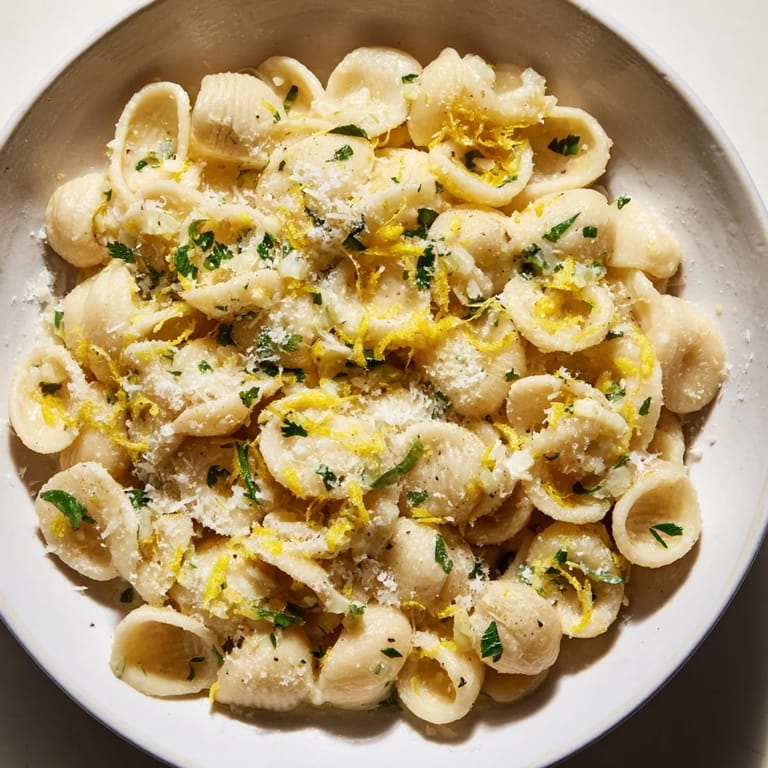
 There's something magical about having dinner ready before the kitchen even feels warm. I discovered this ditalini dish on a Tuesday when my partner texted asking if I could make something special within the hour, and I remembered those tiny tubes of pasta sitting in the pantry. What started as improvisation became the recipe I return to constantly—no complicated technique, just butter, garlic, and the kind of simplicity that somehow tastes more luxurious than it has any right to.
I made this for my neighbor after she mentioned offhandedly that cooking felt overwhelming lately, and I watched her face completely change when she tasted it. She kept asking what fancy ingredient made it so good, and I loved telling her it was just butter and time—something I think we all forget matters more than complexity.
Ingredients
- Ditalini pasta (300 g): These small tubes hold the sauce beautifully, and they cook faster than larger shapes, which is part of why this dish races from pot to table so quickly.
- Unsalted butter (4 tablespoons): Don't skip the quality here; good butter is the foundation of this entire dish and you'll taste the difference immediately.
- Garlic (4 cloves, minced fine): Mince it yourself rather than using pre-minced—the texture and intensity are completely different, and it matters in something this simple.
- Heavy cream (120 ml): This is what makes the sauce silky rather than just buttery; it rounds everything out and prevents the dish from feeling one-dimensional.
- Parmesan cheese (50 g, freshly grated): Pre-grated versions contain anti-caking agents that prevent the cheese from melting smoothly, so the extra minute of grating pays off.
- Black pepper and salt: Freshly ground pepper is essential; it adds a brightness that pre-ground versions simply lack.
- Fresh parsley and lemon zest (optional): These additions feel small but lift the entire dish at the end, adding a note that makes people pause and ask what just happened.
Tired of Takeout? 🥡
Get 10 meals you can make faster than delivery arrives. Seriously.
One email. No spam. Unsubscribe anytime.
Instructions
- Get the water boiling:
- Fill your pot generously with water, salt it until it tastes slightly like the sea, and let it come to a rolling boil before you add the pasta. This is non-negotiable for seasoning the pasta itself from within.
- Cook the ditalini:
- Add the pasta and stir occasionally so the tubes don't stick together. While you're waiting, reserve that pasta water—it's liquid gold for adjusting your sauce texture later.
- Start the sauce:
- As the pasta finishes its final minutes, melt your butter in a separate skillet over medium heat. The moment it melts, add your minced garlic and let it perfume the butter for just a minute or two, watching carefully so it stays golden and fragrant rather than turning brown and bitter.
- Build the cream base:
- Lower the heat and pour in your cream along with a splash of that reserved pasta water. You're creating a gentle simmer here, not a rolling boil—the difference in texture is everything.
- Combine and coat:
- Drain your pasta and add it straight to the skillet with the sauce. Toss it until every little tube glistens with that creamy coating, working gently so the pasta stays intact.
- Season to perfection:
- Scatter in your Parmesan, add black pepper and salt, then stir everything together. If the sauce seems too thick as it cools, add another splash of pasta water—it should coat a spoon but still flow when you plate it.
- Finish with brightness:
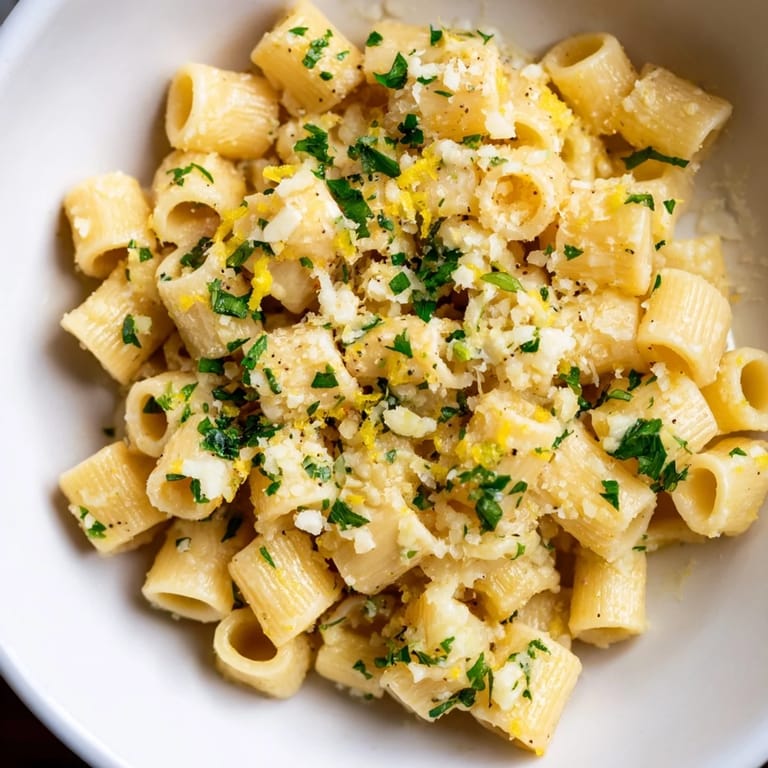
- Remove from heat and stir in your parsley and lemon zest if you're using them. Taste it once more and adjust the seasoning, because this is your last chance to make it exactly right.
 Pin it
 I remember my mom tasting this and realizing that I'd finally stopped overthinking food, and that maybe the best cooking happens when you stop trying to prove something and just let good ingredients do their quiet work. That moment taught me more than any complicated recipe ever could.
The Magic of Simplicity
The fewer ingredients you work with, the more important each one becomes. There's nowhere to hide here, which is exactly why this dish works so perfectly. It forces you to think about butter quality, garlic freshness, and the texture of cream—things that matter in every dish but are easier to ignore when you're juggling twenty components.
Timing Is Everything
Fifteen minutes sounds like a narrow window, but it's actually generous if you understand the rhythm. Start your water before you do anything else, have your ingredients prepped and ready, and work deliberately rather than frantically. The moment the pasta hits the colander, your sauce should already be coming together—this overlap is where the speed actually lives.
Variations and Possibilities
Once you understand this base, you can drift in different directions without losing the spirit of it. Add crispy pancetta or guanciale for richness, toss in fresh peas or cherry tomatoes for brightness, or finish with crispy breadcrumbs for texture. The structure holds, and that's what makes it so reliable.
- A pinch of red pepper flakes adds heat that makes the garlic feel sharper and more alive.
- Leftover pasta reheats gently with a splash of milk or cream stirred in, and it comes back to life better than you'd expect.
- This dish pairs beautifully with a crisp white wine like Pinot Grigio, something that cuts through the richness and keeps your palate clean.
 Pin it
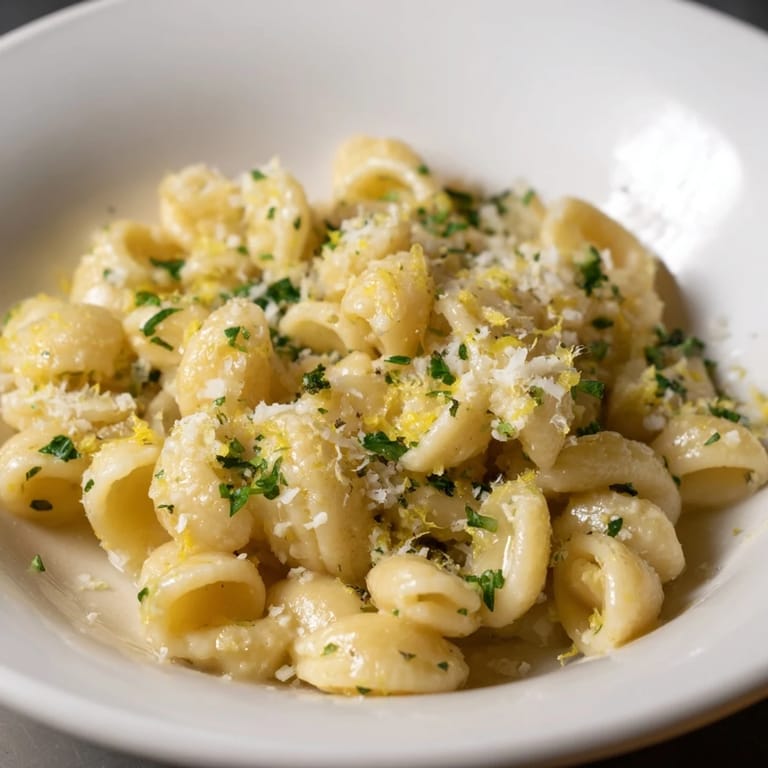
 This is the dish I make when I want to feel capable without spending hours in the kitchen, or when I want to remind someone that good food doesn't require complexity. It's become the recipe I gift to people who think they can't cook.
Recipe FAQ
- → What type of pasta is best for this dish?
Small, tubular pasta like ditalini works perfectly, allowing the creamy garlic butter to coat each piece thoroughly.
- → Can I use any cheese besides Parmesan?
Parmesan offers a nutty, salty flavor that complements the sauce well, but sharp Asiago or Pecorino Romano are good alternatives.
- → How can I adjust the sauce thickness?
Use reserved pasta water to thin the sauce if it’s too thick, adding it gradually while stirring to reach desired consistency.
- → Is this dish suitable for vegetarians?
Yes, it features no meat ingredients, relying on butter, cream, and cheese for rich, satisfying flavors.
- → Can I prepare the sauce in advance?
While the sauce is best fresh, you can make it ahead and gently reheat, adding a splash of cream or pasta water to revive the texture.
- → What can be added for extra flavor?
Try a sprinkle of red pepper flakes for heat or fresh herbs like parsley and lemon zest to brighten the dish.