 Pin it
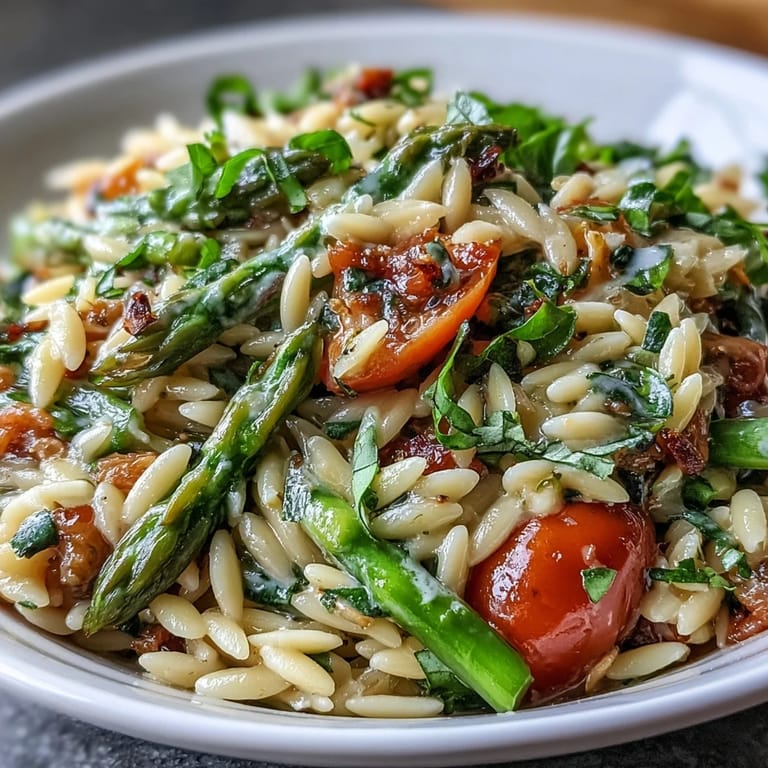
 When asparagus and peas first show up at the market, I find myself craving something quick but special, and that’s how Spring Orzo Primavera came into my kitchen. I remember standing by the stove, windows cracked open, as the gentle hum of evening traffic mixed with the sweet brightness of chopped basil on my hands. It’s the kind of meal that feels like tossing a bunch of green optimism into a pan and coaxing it all together with a squeeze of lemon. There’s no drama, just the pleasant rush of color and fragrance as each vegetable takes its quick turn in the heat. Somehow, those little orzo grains soak up all the mood of the season in just 35 minutes flat.
I remember making this one Tuesday for lunch with a friend who planned to stay only half an hour—but we both kept coming back for seconds, sitting at the kitchen counter with steaming bowls. The late sunlight hit the tomatoes just so, and between bites, we laughed about how even a simple pasta can turn lunch into an occasion.
Ingredients
- Orzo Pasta: Tiny, rice-shaped and fast-cooking, orzo soaks up flavors quickly and makes the dish feel creamy—don’t overcook it for the best result.
- Olive Oil: Use a good fruity olive oil for a gentle base flavor that ties everything together without heaviness.
- Asparagus: Snapping off the woody ends keeps each bite snappy and never stringy.
- Sugar Snap Peas: Halved they add sweetness and crunch, and I learned to trim the seams so they aren’t stringy.
- Zucchini: Diced small so every forkful gets a bit—watch that you don’t crowd the pan or it’ll steam.
- Cherry Tomatoes: Halved so they burst gently in the heat, released juices mingle into the sauce.
- Frozen Peas: Quick to thaw and add pops of sweetness; toss them in just before finishing for the freshest flavor.
- Shallot: Softer and more subtle than onion; it melts into the background for gentle savoriness.
- Garlic: Minced fine and sautéed quickly so the flavor perfumes the entire thing—careful, don’t let it brown.
- Parmesan Cheese: Freshly grated melts best and turns silky with the pasta water—keep a little extra to finish.
- Fresh Basil: Sliced just before folding in so its aroma stays vivid and bright—don’t chop too far ahead.
- Unsalted Butter: Adds richness and that creamy mouthfeel without being heavy.
- Salt and Black Pepper: Season generously, tasting as you go so the freshness of the vegetables doesn't disappear.
- Lemon Zest and Juice: Zest first, then juice—the zest is the secret to that extra layer of citrus lift.
Tired of Takeout? 🥡
Get 10 meals you can make faster than delivery arrives. Seriously.
One email. No spam. Unsubscribe anytime.
Instructions
- Boil the Orzo:
- Bring a large pot of salted water to a rolling boil and add the orzo; cook until al dente, stirring occasionally. Save half a cup of the pasta water before draining, then set the orzo aside.
- Sauté Shallots & Garlic:
- In your biggest skillet, warm the olive oil over medium heat and toss in the shallot and garlic—inhale that aroma and stir until just translucent, about a minute or two.
- Add Firm Veggies:
- Sprinkle in the asparagus, zucchini, and sugar snap peas. Let them sizzle and surrender their color, stirring occasionally so nothing steams—just bright, crisp-tender bits.
- Tomatoes & Peas Join:
- Add the cherry tomatoes and thawed peas, letting their sweetness and juices loosen up the mix for two more minutes until the tomatoes begin to slump.
- Combine with Orzo:
- Scoop the cooked orzo into the skillet, tossing well so the vegetables and pasta start to mingle in one fragrant heap.
- Creamy Finish:
- Stir in butter, parmesan, the lemon zest, and juice. Trickle in that reserved pasta water a bit at a time, stirring, until it looks glossy and gently creamy.
- Season and Add Basil:
- Taste for salt and a generous crack of black pepper, adjusting as you like, then fold in the fresh basil just before serving to keep it lively green.
- Serve and Enjoy:
- Spoon into bowls and scatter extra parmesan and basil on top if you feel fancy. Eat while everything is warm and velvety.
 Pin it
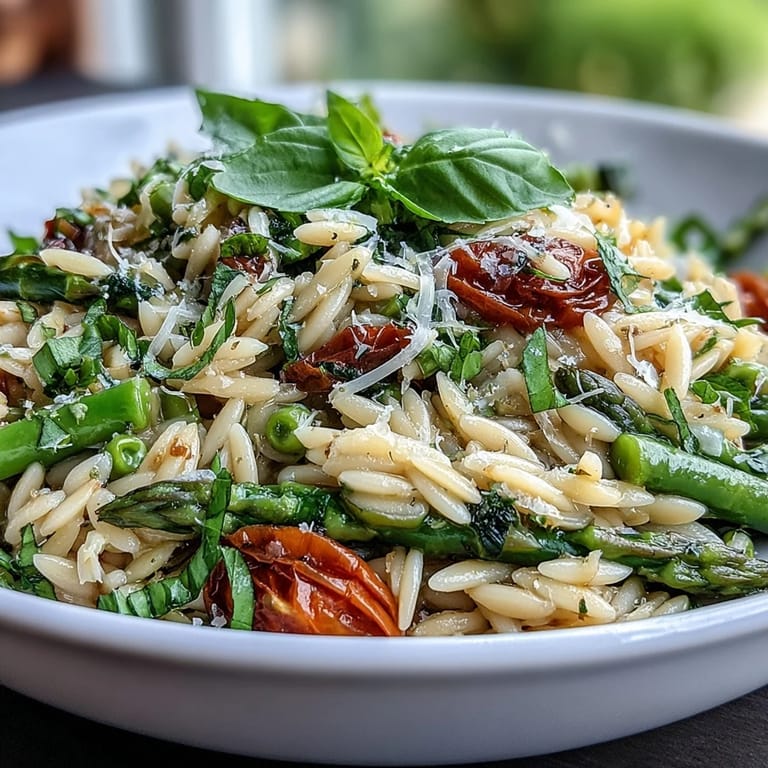
 The surprise came the first time I brought this to a spring potluck—platters disappeared almost immediately, with friends sneaking forkfuls right from the serving bowl and asking what made it so fresh. Sharing something that vibrant and simple, I felt wonderfully connected to both the food and the moment.
Making It Your Own
The beauty of this primavera lies in how easy it is to riff—switch up the veggies, add a handful of baby spinach, or toss in some grilled shrimp for an impromptu upgrade. One time, running low on orzo, I mixed in a little pearl couscous and the result was unexpectedly delightful.
What to Serve With Spring Orzo
This dish shines on its own but makes a perfect pair with crusty bread to mop up any sauce left on the plate. If you’re throwing together a bigger spread, a simple arugula salad with shaved parmesan is all it needs on the side.
Quick Fixes for Busy Nights
When time is tight, I prep all my vegetables in advance, storing them in airtight containers so cooking feels breezy on a weeknight. Leftovers reheat surprisingly well with a splash of water and a fresh squeeze of lemon.
- If you’re low on fresh basil, a bit of pesto stirred in at the end does the trick.
- Skip the butter for an even lighter version—just use an extra drizzle of olive oil.
- Don’t forget to zest before you cut the lemon—much easier that way.
 Pin it
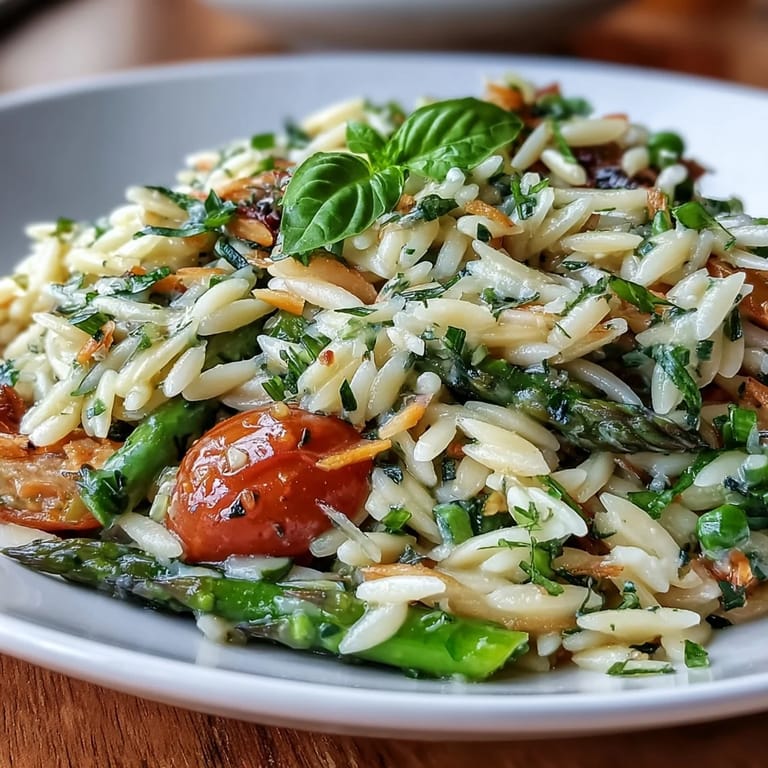
 Whether you’re eating outside or just wishing for sunshine, this Spring Orzo Primavera is a bowlful of good mood. Here’s to a meal that livens up even the most ordinary day.
Recipe FAQ
- → How do I keep orzo from sticking?
Boil orzo in plenty of well-salted water and stir occasionally. Drain promptly when al dente and toss with a little olive oil or butter before combining with the vegetables to prevent clumping.
- → How do I achieve a creamy sauce without cream?
Reserve some starchy pasta water when draining and add it a little at a time while stirring with butter and parmesan. The starch emulsifies with the fat to create a silky coating.
- → Which vegetables can I swap in or out?
Use seasonal picks like baby spinach, artichokes, bell peppers or thin-sliced asparagus. Adjust cooking times so vegetables stay bright and slightly crisp.
- → Can I make this dairy-free?
Replace butter with olive oil or a plant-based spread and use a vegan parmesan alternative or nutritional yeast for a similar savory finish.
- → How should I reheat leftovers?
Gently rewarm in a skillet over low heat with a splash of water or broth to loosen the mixture, or microwave briefly adding a little liquid and stirring halfway through.
- → Any tips for adding protein?
Top with grilled chicken, shrimp or chickpeas. Add them at the end so heat and textures remain balanced; pre-cooked proteins benefit from a quick sear for extra flavor.