 Pin it
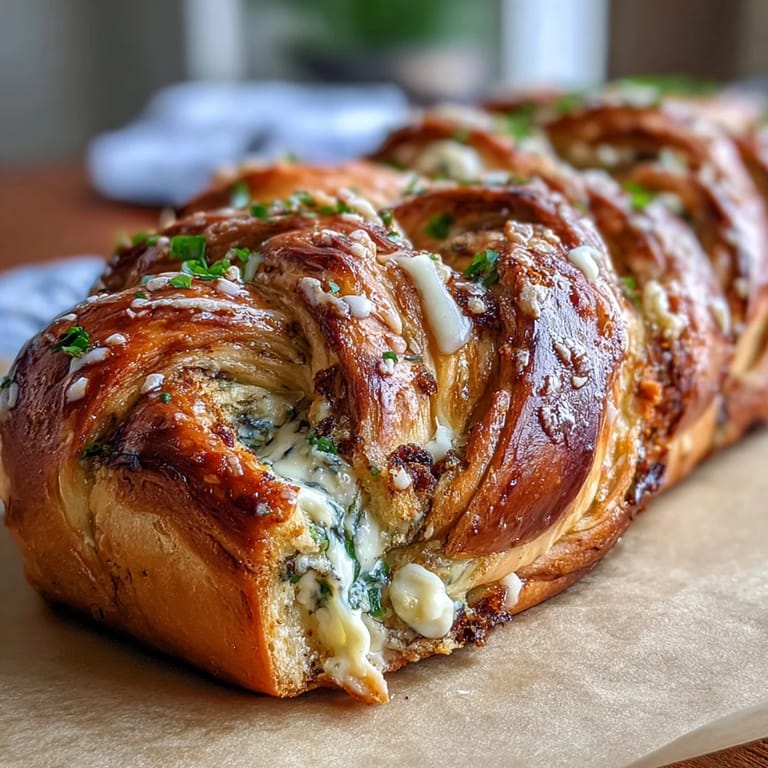
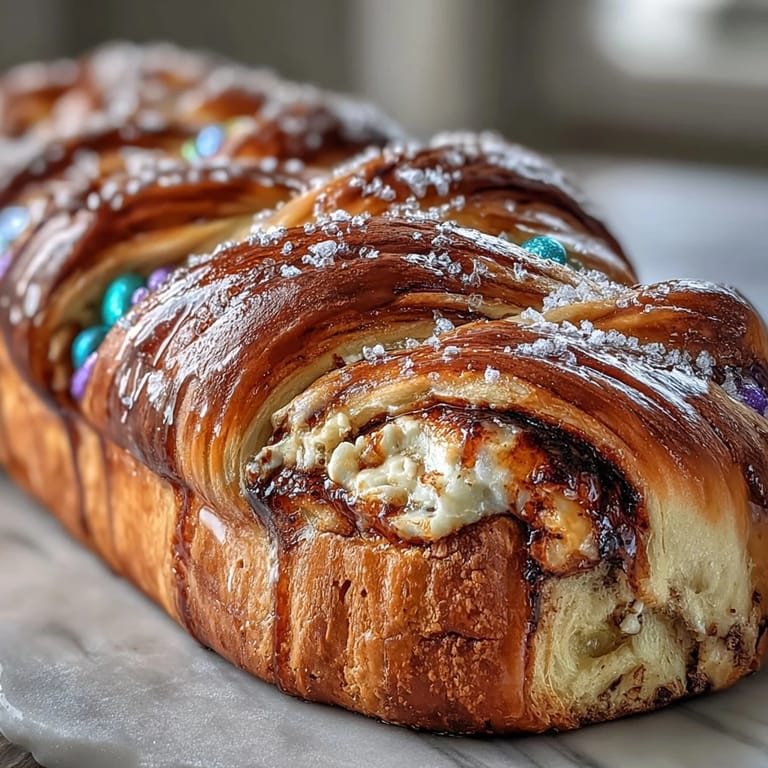
 The first time I braided a King Cake, my kitchen smelled like yeast and bright lemon, and I realized I'd been overthinking the whole thing. My grandmother had mentioned how the strips should fold like ribbon, and suddenly it clicked—this wasn't some complicated pastry technique, just a simple braid dressed up for celebration. The golden dough emerged from the oven looking like something from a bakery window, and watching people's faces light up when they saw those purple, green, and gold sugars made every sticky finger and flour-dusted surface worth it.
Last Mardi Gras season, I made this for a potluck and someone asked if I'd bought it from a bakery—which was funny because I'd been stressed about whether the braid looked "professional enough." Turns out people care way more about the taste and the fact that you showed up with something homemade than whether every fold is perfectly symmetrical. That cake taught me something about perfectionism that had nothing to do with baking.
Ingredients
- All-purpose flour (4 cups): The foundation of everything—measure by weight if you have a scale because it changes how the dough feels in your hands.
- Active dry yeast (2 1/4 tsp): Make sure it's fresh and that your liquid is actually warm but not hot, or you'll kill it before it has a chance to work.
- Granulated sugar (1/2 cup for dough): Feeds the yeast and sweetens the dough itself, creating that tender crumb.
- Whole milk and warm water (1/2 cup each): The combination of both creates a subtle richness while the water helps activate the yeast efficiently.
- Eggs (2 large, room temperature): Brings richness and helps bind everything together into a cohesive dough.
- Unsalted butter (1/4 cup melted): Room temperature butter would clump in the dough, so melting it first ensures it distributes evenly.
- Cream cheese (8 oz softened): This needs time at room temperature or it will be lumpy and won't blend smoothly with the other filling ingredients.
- Fresh lemon juice and zest (2 tbsp juice, 1 tsp zest): The zest gives you real lemon flavor that bottled juice can't match, so don't skip it.
- Powdered sugar (1 1/2 cups): Creates a smooth glaze that's not too thick or too thin when balanced with the lemon juice.
- Colored sanding sugar (purple, green, gold): Apply these while the glaze is still wet or they'll slide right off.
Tired of Takeout? 🥡
Get 10 meals you can make faster than delivery arrives. Seriously.
One email. No spam. Unsubscribe anytime.
Instructions
- Wake up the yeast:
- Combine your warm water, milk, and yeast in a large bowl and just let it sit for five minutes—you'll see it start to bubble and smell a little yeasty, which means it's alive and ready to work.
- Build your dough:
- Stir in the sugar, room-temperature eggs, melted butter, and salt, mixing until everything comes together. When you gradually add the flour, you're looking for a shaggy mass that's just barely holding itself together.
- Knead until smooth:
- This is where your hands do the work—flour a surface and knead for eight to ten minutes until the dough becomes smooth, elastic, and springs back when you poke it. It should feel soft but not sticky, almost like a baby's skin.
- Let it rise:
- Place the dough in a greased bowl, cover it with a damp towel, and find a warm corner of your kitchen—a spot near a sunny window or on top of the fridge works beautifully. You're waiting for it to roughly double in size, which usually takes about an hour and a half.
- Prepare the filling while dough rises:
- Beat your softened cream cheese until it's completely smooth and fluffy, then add the sugar, fresh lemon juice, zest, and egg yolk. Mix until creamy and uniform—this filling needs to be thick enough to spread but still pliable.
- Shape the canvas:
- Once your dough has doubled, punch it down (this step is oddly satisfying), then roll it out on a lightly floured surface into a rectangle about ten by eighteen inches. Don't stress if it's not perfect—you just need enough surface to work with.
- Fill with intention:
- Spread that bright lemon cream cheese filling down the center third of your rectangle in a lengthwise stripe. You want enough filling to taste it in every bite but not so much that it squishes out the sides when you fold.
- Cut your strips:
- Using a sharp knife, cut diagonal strips about one inch wide along both sides of the filling, starting from the edge and working toward the center. Leave the top and bottom sections intact—these become your sealed ends.
- Braid like you mean it:
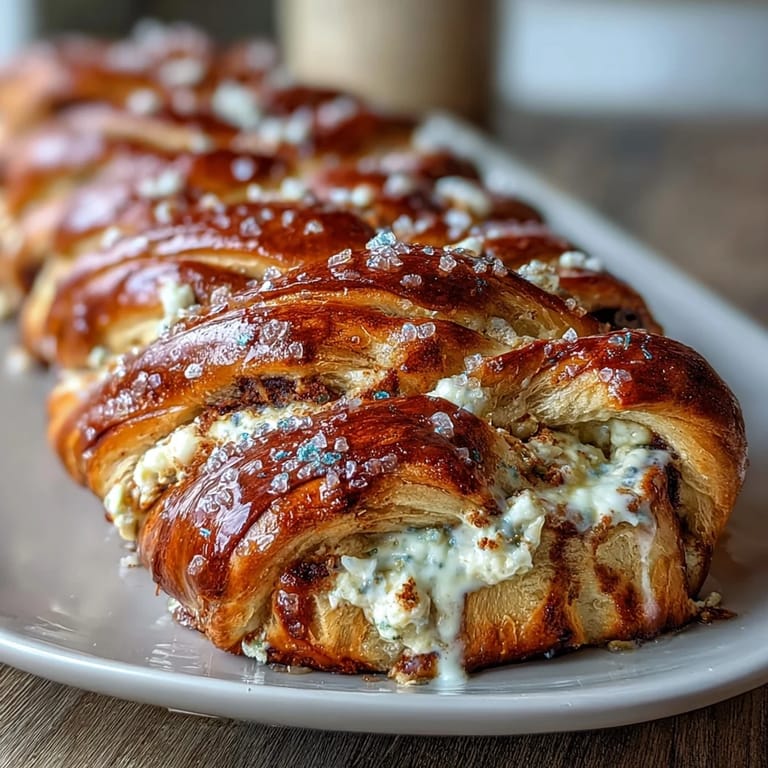
- This is the visual moment that makes people gasp—fold one strip from the right side over the filling, then one from the left, alternating back and forth down the length of the cake. Once you reach the end, tuck both sides underneath to seal, creating that classic braided look.
- Final rise:
- Transfer to a parchment-lined baking sheet, cover it loosely, and let it rise for forty-five minutes. You're waiting for it to puff up again but not so much that it looks like it might overflow.
- Egg wash and bake:
- Whisk together one egg and a tablespoon of milk, then brush it all over the braid—this creates that beautiful golden sheen. Bake at 350°F for twenty-eight to thirty-two minutes until it's deep golden brown and a toothpick comes out clean.
- Glaze while warm:
- Once the cake has cooled enough to handle, whisk powdered sugar with lemon juice or milk until you have a thick but drizzleable consistency. The warmth of the cake helps the glaze set faster, and this is when you immediately sprinkle on those festive sugars in alternating stripes.
 Pin it
 There's something about serving a homemade King Cake that shifts a moment from ordinary to memorable. People slow down, they share it, they take pictures—and suddenly it's not just about the food, it's about the fact that you spent your afternoon thinking about bringing color and flavor to their day.
The Lemon Filling Difference
I learned through trial that cream cheese filling needs that brightness to keep from feeling one-note. The first time I made this, I skipped the zest and used bottled lemon juice, and while it tasted fine, something was missing. Fresh zest completely changed the game—it added an almost floral quality that made the whole cake sing. Now I zest the lemon right before mixing, and the difference is unmistakable.
Getting the Braid Right
The braid isn't actually about precision—it's about understanding the pattern and trusting your hands. The first time I worried the strips would tear, but the dough is forgiving because it's been given time to rise and relax. What matters is that you cut them evenly enough to fold smoothly and that you keep alternating sides. Some of my best-looking braids happened when I stopped thinking about it and just let my hands find the rhythm.
Celebration Worthy Color
The colored sugars are where this cake transforms from beautiful to showstopping. I make sure to apply them while the glaze is still wet because that's when they stick and catch the light properly. The purple, green, and gold don't just look festive—they signal that this is something special, something made for a celebration.
- Glaze the cake while it's still warm enough that the glaze flows smoothly but cool enough that you can handle it.
- Sprinkle the sanding sugars immediately after glazing, working quickly in alternating stripes.
- If a sugar stripe doesn't stick, don't panic—you can always apply more glaze and try again.
 Pin it
 This King Cake is the kind of recipe that gets better every time you make it, not because you're learning some complicated technique but because you're learning how to trust the dough and trust yourself. Make it once to follow the steps, make it twice because you want to, and make it a third time because you want to share it with someone who matters.
Recipe FAQ
- → What type of flour works best for the dough?
All-purpose flour provides the right balance of texture and structure for a soft, yet sturdy braid.
- → How do I achieve a shiny, golden crust?
Brushing the braid with an egg wash before baking helps develop a glossy, golden-brown crust.
- → Can I enhance the lemon flavor in the filling?
Adding extra lemon zest or a bit more fresh lemon juice brightens the filling’s tanginess without overpowering it.
- → What is the best way to braid the dough evenly?
Cut diagonal strips along both sides of the filling and fold them alternatingly over the center to ensure an even braid.
- → How should the bread be cooled after baking?
Allow the bread to cool on a wire rack before glazing to prevent the topping from melting.