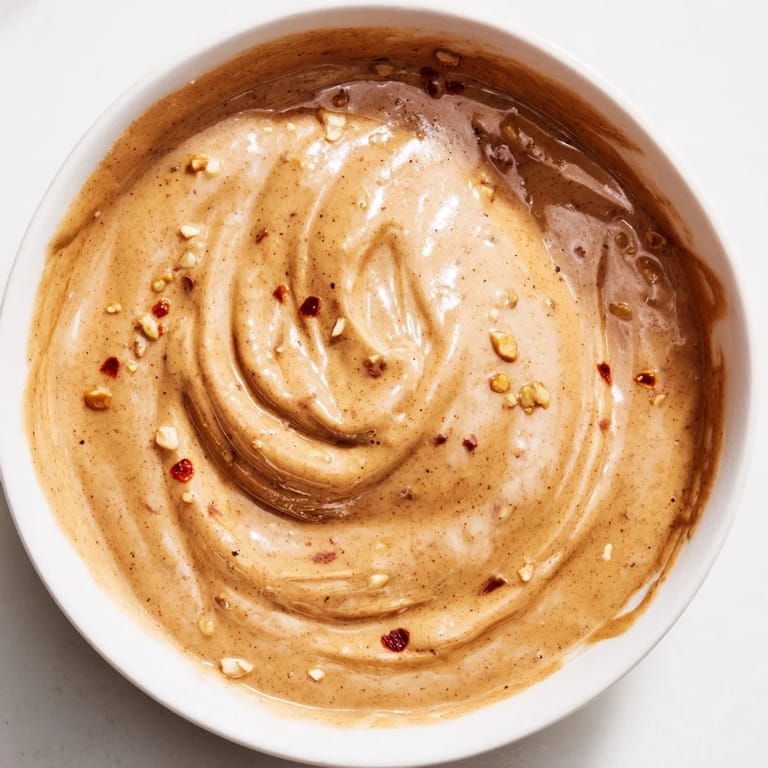
 Pin it
 The first time I tasted satay sauce, I was sitting at a cramped food stall in Jakarta, sauce dripping down my chin as I bit into perfectly charred chicken skewers. The vendor's grandmother had been making this same sauce for decades, and when I asked her secret, she smiled and said it was just good peanut butter, coconut milk, and patience. Years later, I realized I'd been overcomplicating it in my own kitchen—the magic isn't in exotic ingredients, it's in letting simple things come together with care.
I made this sauce for a backyard gathering last summer, and something unexpected happened—my neighbor who usually skips spicy food asked for seconds, then thirds. Watching people close their eyes and smile while eating grilled vegetables dipped in something I'd made felt like small kitchen magic. That's when I understood satay sauce isn't just a condiment; it's the thing that makes people linger at the table.
Ingredients
- Creamy peanut butter: Use unsweetened and unsalted so you control the salt and sweetness—it should taste like peanuts first, not processed flavoring.
- Coconut milk: Full-fat is non-negotiable here; the thin stuff will make your sauce taste watered down and sad.
- Soy sauce: This brings umami depth that makes people wonder what makes the sauce taste so good.
- Fresh lime juice: Bottled won't do it justice—fresh lime juice cuts through the richness and wakes everything up.
- Brown sugar or palm sugar: The sweetness balances heat and salt, so taste as you go and adjust to what your mouth wants.
- Garlic, coriander, cumin: These three create that warm, toasted spice smell that makes satay unmistakable.
- Chili flakes: Start with the smaller amount and taste; heat builds as it sits, so don't overcommit right away.
- Fish sauce (optional): If using it, just a teaspoon adds an almost invisible depth that haunts you in the best way—but skip it if you're keeping things vegetarian.
Tired of Takeout? 🥡
Get 10 meals you can make faster than delivery arrives. Seriously.
One email. No spam. Unsubscribe anytime.
Instructions
- Combine the base:
- Warm the peanut butter and coconut milk together over medium heat, whisking until the peanut butter softens and blends into the milk like it's been friends forever. You're aiming for smooth and silky, no stubborn peanut butter lumps fighting back.
- Add the aromatics and seasonings:
- Stir in the soy sauce, lime juice, sugar, garlic, coriander, cumin, chili flakes, and salt. The kitchen will smell incredible—that's how you know everything is talking to each other correctly.
- Simmer and thicken:
- Let it bubble gently for 3 to 5 minutes, stirring often so nothing sticks to the bottom. The sauce will darken slightly and develop a glossy sheen, and it should feel thicker on the spoon than when you started.
- Taste and adjust:
- This is crucial—add more lime if you want brightness, more sugar if you want sweetness, more chili if you want fire. Trust your own mouth over any recipe because everyone's heat tolerance and preference is different.
- Thin if needed:
- If it's too thick, whisk in water one tablespoon at a time until it flows the way you want—drizzle consistency or dip consistency, your call.
- Add fish sauce if using:
- Stir it in off the heat so the flavor stays vibrant and doesn't cook away.
- Cool and serve:
- Let it sit for a few minutes before serving so people don't burn their mouths, but warm sauce is when the flavors shine brightest.
 Pin it
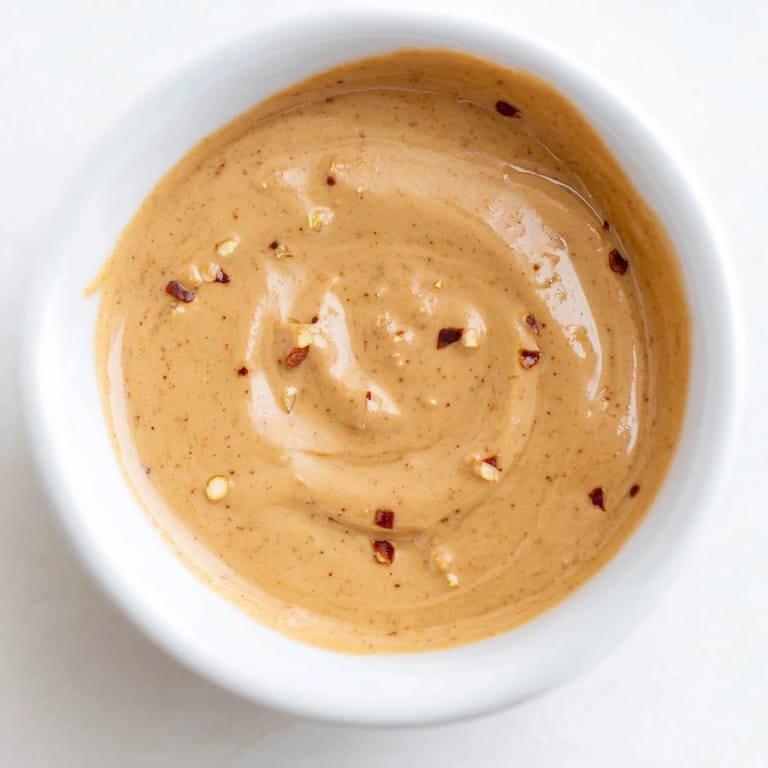
 There's a moment, right after you've tasted it and it's exactly right, where you realize you could eat this sauce with a spoon and be happy. That's when you know you've nailed it.
What Makes This Sauce Sing
Satay sauce works because it straddles four flavors at once: creamy, salty, sweet, and sour with a whisper of heat underneath. The peanut butter gives you body, the coconut milk gives you richness, the lime gives you brightness, and the spices give you soul. When you get the balance right, it feels less like a condiment and more like an experience.
How to Serve It
This sauce was born to pair with grilled things—chicken satay obviously, but also beef, shrimp, or grilled vegetables. I've drizzled it over rice bowls, used it as a dipping sauce for spring rolls, and even swirled it into soups. The trick is serving it warm or at room temperature; cold sauce loses some of its aromatic power.
Storage and Variations
This sauce keeps well in the refrigerator for up to five days, though it will thicken as it cools—just add a splash of water and warm it gently on the stove when you're ready to use it again. If you want texture, stir in crushed roasted peanuts at the very end. For those avoiding soy, tamari works beautifully, and coconut aminos will give you a slightly sweeter, more mellow version.
- Keep a batch in the fridge for impromptu grilled vegetable dinners and lazy dipping situations.
- If it breaks or looks separated, a little whisking with fresh coconut milk or water will bring it back together.
- Remember that this sauce is yours to adjust—more garlic, less spice, extra lime—make it taste like home to you.
 Pin it
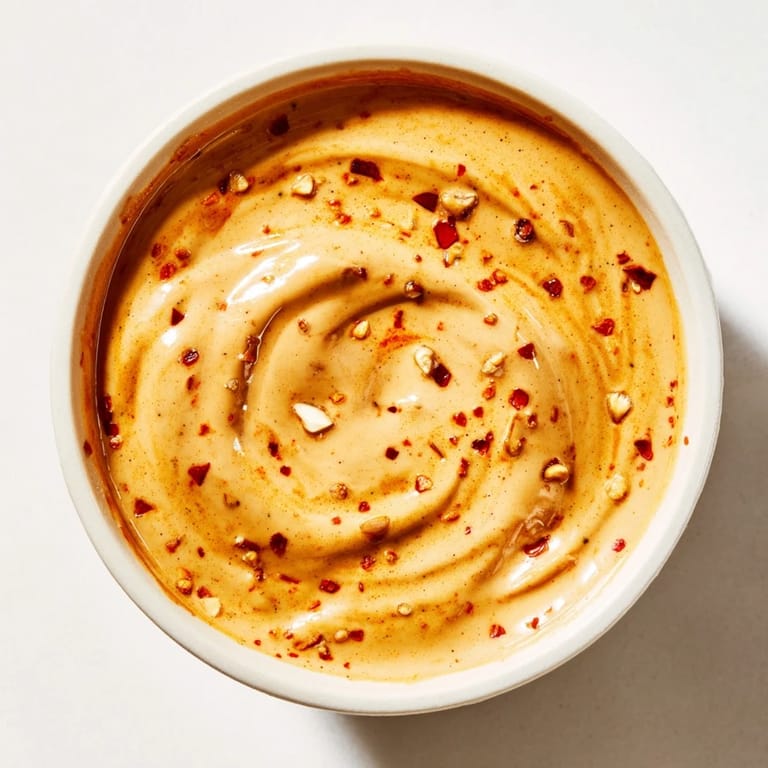
 This sauce is the kind that makes people ask for the recipe, and when you tell them it took 20 minutes, they won't believe you. That's the whole point.
Recipe FAQ
- → What ingredients give this sauce its creamy texture?
The creamy texture comes primarily from smooth peanut butter and full-fat coconut milk, which combine to create a rich base.
- → Can the heat level of the sauce be adjusted?
Yes, the chili flakes control the spiciness and can be increased or decreased according to taste preferences.
- → Is it possible to make this sauce gluten-free?
Using gluten-free soy sauce alternatives such as tamari or coconut aminos ensures the sauce remains gluten-free.
- → How can the sauce consistency be modified?
Adding water thins the sauce to a desired drizzle consistency, while simmering without added liquid thickens it.
- → What are some serving suggestions with this sauce?
This sauce pairs beautifully as a topping for grilled chicken satay, beef skewers, tofu, vegetables, or as a flavorful dip.
- → Can this sauce be stored and reused?
Yes, it can be refrigerated for up to five days and should be gently reheated before serving.