 Pin it
 My first encounter with hojicha panna cotta happened on a quiet afternoon when a Japanese friend brought a small glass to my kitchen, and I watched the light pass through its silky amber surface. She explained how the roasted tea transformed something so simple—cream, milk, sugar—into something that felt like edible silk, gentle and sophisticated. That moment taught me that sometimes the most elegant desserts come from respecting a single ingredient rather than piling on complexity. The way hojicha's toasted warmth melted into cold cream felt like a conversation between two very different culinary traditions having tea together. I've been making it ever since, always chasing that same quiet elegance.
I made this for a dinner party on a winter evening when snow was just starting to fall outside, and everyone went completely quiet after the first spoonful—the kind of silence that means something just clicked. Someone said it tasted like autumn in a glass, and another guest asked if I'd gone to culinary school that morning. That's when I realized the magic wasn't in technique but in trusting the hojicha to do the heavy lifting, letting it steep just long enough to whisper rather than shout.
Ingredients
- Heavy cream: This is your foundation, so use the good stuff—the richness of whole cream creates that signature silky mouthfeel that makes panna cotta worth eating.
- Whole milk: Balances the cream's heaviness and lets the tea flavor come through without competing with dairy richness.
- Granulated sugar: Don't skimp here, but don't overdo it either; you want sweetness that supports the hojicha, not overpower it.
- Hojicha loose leaf tea: This is the star—look for quality tea with a toasted aroma, and avoid anything that smells dusty or flat.
- Powdered gelatin: The secret to silky, not bouncy, panna cotta is using just enough to set without making it rubbery; weigh it if you can.
- Cold water: For blooming gelatin, which ensures even distribution and prevents clumping disasters.
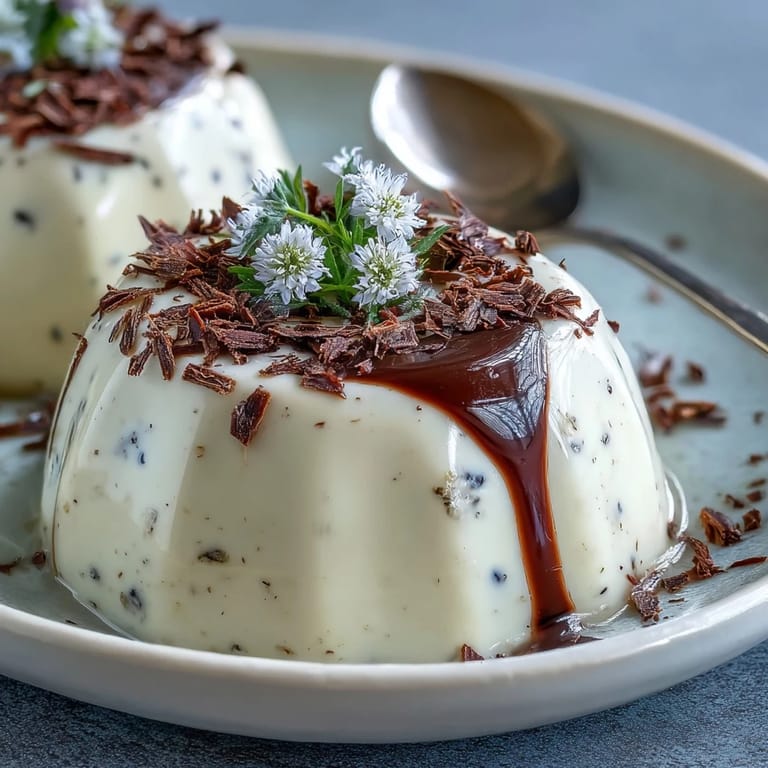
- Whipped cream, chocolate, or roasted nuts: Optional but honest—a small topping makes the presentation feel intentional rather than incomplete.
Tired of Takeout? 🥡
Get 10 meals you can make faster than delivery arrives. Seriously.
One email. No spam. Unsubscribe anytime.
Instructions
- Bloom the gelatin:
- Sprinkle it over cold water in a small bowl and let it sit for 5 minutes until it absorbs the liquid and becomes spongy. This step prevents lumps and ensures smooth, creamy results.
- Heat the cream mixture:
- Combine heavy cream, milk, and sugar in a saucepan and warm gently over medium-low heat until steam rises—you're looking for that moment just before a simmer, not a boil. If bubbles form around the edges, you've gone too far.
- Infuse with hojicha:
- Remove from heat, add your tea, and let it steep for 7 to 8 minutes while you resist the urge to peek constantly. The timing matters; too short and the flavor is whisper-quiet, too long and it becomes bitter and astringent.
- Strain with intention:
- Pour through a fine-mesh sieve into a clean bowl, and use the back of a spoon to press the tea leaves gently—you're coaxing out flavor, not squeezing the life out of them. This step separates silky from gritty.
- Reheat and set:
- Return the strained mixture to the saucepan, warm it again until it's hot but not boiling, then add your bloomed gelatin and whisk until completely dissolved. You'll feel the mixture change texture slightly as the gelatin incorporates.
- Pour and cool:
- Distribute evenly among 4 ramekins or glasses, then let them cool to room temperature on the counter for about 20 minutes before covering with plastic wrap. This gradual cooling prevents condensation from dripping back into the creamy surface.
- Chill until set:
- Refrigerate for at least 4 hours, though overnight is even better. The panna cotta will transform from pourable liquid to silky custard that holds its shape with an elegant jiggle.
- Finish and serve:
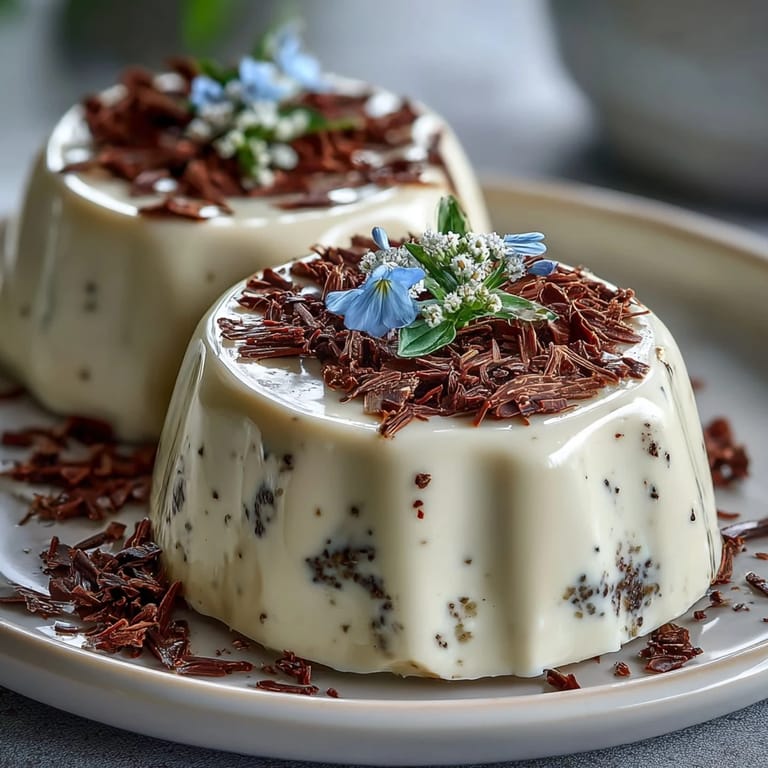
- If unmolding, run a thin knife around the edges and turn out onto a plate; if serving in glasses, simply add toppings and serve cold. Either way, eat it within a day or two for the best texture.
 Pin it
 The most memorable moment wasn't the dinner party but a quiet breakfast the next morning when my roommate pulled one of the remaining panna cottas from the fridge, ate it standing at the sink, and just said, 'This is the good stuff.' No fanfare, no performance—just genuine pleasure. That's when I knew I'd nailed it.
Why Hojicha Changes Everything
Hojicha is roasted green tea, which means it already has this deep, slightly nutty warmth before you even brew it. Unlike regular green tea, which can taste grassy or sharp, hojicha arrives with a gentle toasted character that feels almost like it was designed to swim in cream. The roasting process mellows the caffeine and sharpness, leaving behind something that tastes less like 'tea' and more like 'the idea of tea'—sophisticated and understated. If you've never used hojicha before, this is the dessert that will convince you it belongs in your kitchen permanently.
The Gelatin Question
I spent months making panna cotta with the wrong texture because I didn't understand that gelatin amount matters more than you'd think. Too much and it becomes bouncy, almost rubbery; too little and it never sets, staying sauce-like forever. Two teaspoons for 2 cups of liquid is the sweet spot for silky elegance, but if you're in a high altitude or have humidity concerns, weigh your gelatin on a kitchen scale rather than eyeballing it. The precision feels fussy until you taste the difference.
Serving Styles That Make Sense
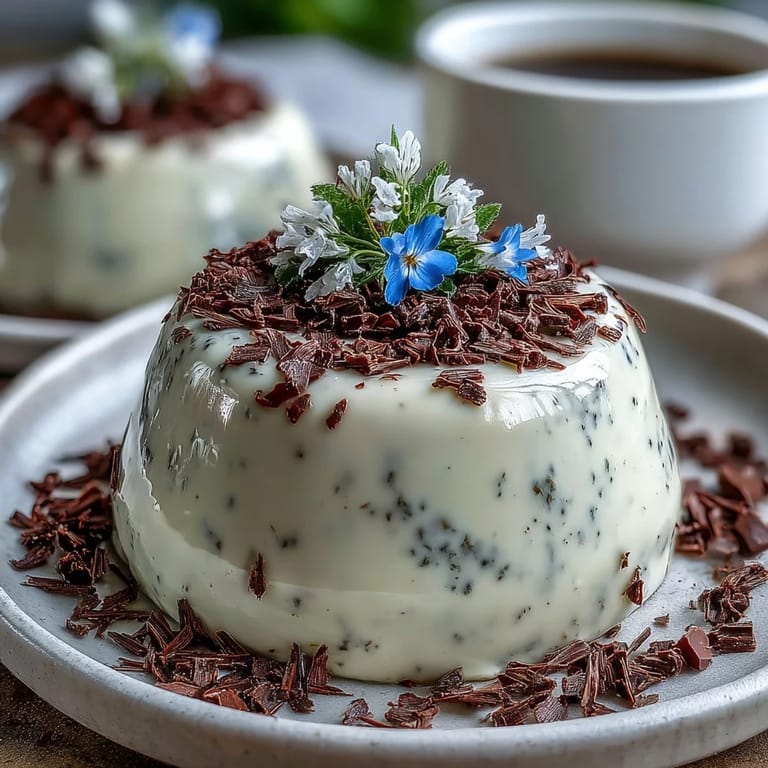
Some people unmold their panna cotta onto plates for that restaurant presentation, but honestly, I've stopped doing that most days. Serving it straight from the glass or ramekin feels more honest, more intimate, and eliminates the risk of the delicate custard breaking apart. The texture shines through without distraction, and your guests can see exactly what they're eating. Pick whichever approach makes you feel confident rather than stressed.
- Unmolding works beautifully when you're feeding people who expect elegance, but it requires a steady hand and practice.
- Serving in the glass is foolproof and lets people appreciate the translucent amber color as they eat.
- Whipped cream and a shaving of chocolate transform it instantly into something that feels special without extra effort.
 Pin it
 This dessert works because it respects simplicity while delivering refinement—no complicated techniques, just cream, tea, and the willingness to wait a few hours. Make it once and you'll understand why I keep returning to it.
Recipe FAQ
- → What does hojicha taste like in this dessert?
Hojicha brings warm, roasted notes with hints of caramel and earthiness. Unlike fresh green teas, hojicha's toasty character pairs beautifully with rich cream, creating subtle nutty undertones without any bitterness.
- → Can I make this ahead of time?
Absolutely—this actually improves with time. Prepare it up to two days in advance and keep covered in the refrigerator. The flavors develop beautifully during this rest period, allowing the hojicha to fully infuse the cream.
- → How do I achieve the perfect panna cotta texture?
The key is not overheating the mixture after adding gelatin—just warm enough to dissolve it completely without boiling. Also, be precise with chilling time; four hours minimum ensures proper setting, but overnight yields the firmest, smoothest result.
- → What can I use instead of gelatin?
For a vegetarian option, substitute agar-agar powder (about 1 1/2 teaspoons) and follow package instructions for blooming. Note that agar sets slightly firmer than gelatin, so adjust accordingly. Alternatively, explore vegan gelatin alternatives designed specifically for desserts.
- → How long should I steep the hojicha tea?
Seven to eight minutes provides optimal flavor extraction without becoming bitter. Longer steeping may result in a more intense roasted profile, but be cautious as over-steeping can introduce astringency that competes with the cream's richness.
- → What garnishes work best with hojicha panna cotta?
Light complements like whipped cream, white chocolate shavings, or toasted sliced almonds enhance the roasted notes. Fresh berries offer tart contrast, while edible flowers add visual elegance. Avoid overpowering flavors that mask the delicate tea essence.