 Pin it
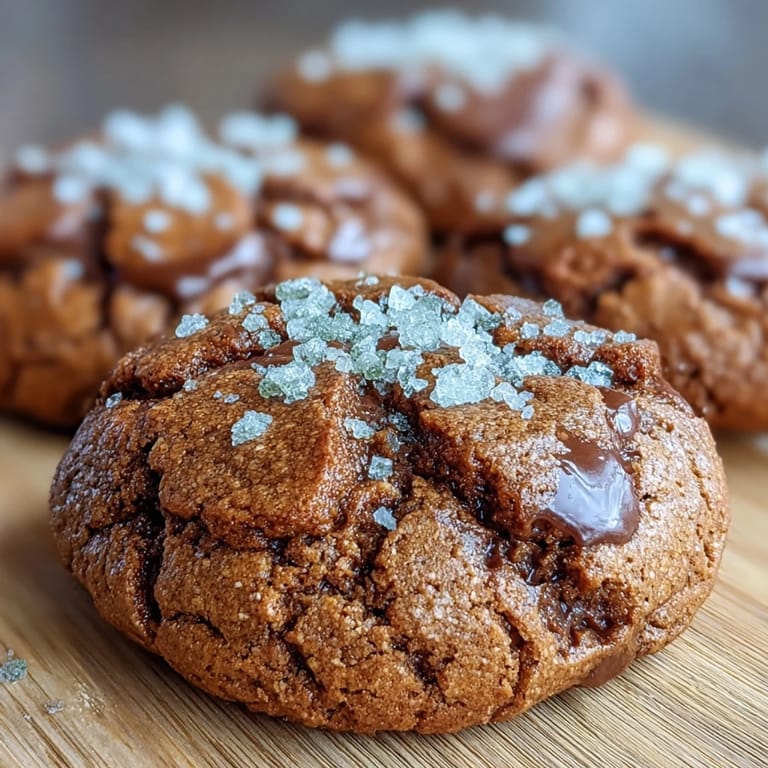
 I discovered hojicha on a drizzly afternoon at a tiny tea shop tucked between office buildings, where the owner handed me a small cup and said nothing, just smiled. The roasted tea had this warm, almost caramel-like depth that felt nothing like the bright green teas I'd known before. Months later, standing in my kitchen with brown butter foaming in a pan, I thought: what if I could capture that exact feeling in a cookie? The result was these impossibly tender, buttery bites with a subtle earthy whisper that keeps people guessing what makes them taste like autumn and comfort all at once.
My sister brought a boyfriend home for dinner one evening, and I'd made a fresh batch that morning thinking I'd have them for myself. One cookie appeared on his plate with tea, and he went completely quiet, just eating slowly and looking out the window. When he finished, he asked what they were, and I watched my sister's face light up realizing he'd liked something of hers enough to ask. That's when I knew these weren't just cookies anymore.
Ingredients
- Unsalted butter (170 g): Browning the butter is non-negotiable here; it's where all the magic happens, turning ordinary butter into something that smells like toasted hazelnuts and tastes like autumn itself.
- All-purpose flour (250 g): Measure by weight if you can, as it makes a real difference in texture and prevents the common mistake of accidentally making the dough too dense.
- Hojicha powder (2 tbsp): This roasted green tea powder is the soul of the recipe, offering an earthy, slightly sweet flavor that balances beautifully with the rich brown butter.
- Baking soda (1 tsp): This helps the cookies spread gently and creates those golden, crispy edges that contrast perfectly with the tender center.
- Fine sea salt (1/2 tsp): Use fine salt in the dough itself, as it dissolves evenly and seasons the entire cookie without grittiness.
- Brown sugar (150 g packed) and granulated sugar (50 g): The combination of both sugars gives these cookies depth and helps them stay chewy in the center while crisping at the edges.
- Egg and egg yolk (1 large egg plus 1 yolk): The extra yolk adds richness and helps bind everything without making the cookies cake-like.
- Vanilla extract (2 tsp): Pure vanilla matters here; it plays a supporting role that lets the brown butter and hojicha shine.
- Flaky sea salt (for topping): The pinch of flaky salt on top is optional, but it transforms a good cookie into one people remember.
Tired of Takeout? 🥡
Get 10 meals you can make faster than delivery arrives. Seriously.
One email. No spam. Unsubscribe anytime.
Instructions
- Brown your butter with intention:
- Pour the butter into a saucepan and let it melt over medium heat, then watch closely as it foams and the milk solids sink to the bottom and turn a deep golden brown. The whole kitchen will smell like toasted nuts when it's ready, which is your signal to immediately pour it into a bowl to stop the cooking process.
- Combine your dry ingredients:
- Whisk the flour, baking soda, salt, and hojicha powder together in a medium bowl, breaking up any lumps in the hojicha so it distributes evenly. This step ensures every cookie will have that beautiful tea flavor throughout.
- Build your wet base:
- Once the brown butter has cooled for about ten minutes, whisk it together with both sugars until the mixture looks slightly grainy and paste-like. This is the foundation where all the richness lives.
- Add your eggs gently:
- Add the egg, egg yolk, and vanilla to the butter mixture, whisking until everything is smooth and the mixture has thickened slightly and become lighter in color. This step matters more than it seems; the eggs are binding everything while also incorporating air.
- Bring it together without overworking:
- Pour the dry ingredients into the wet ingredients and stir with a spatula just until no flour streaks remain, then stop immediately. Overmixing turns these delicate cookies tough, so trust that you've done enough even if you feel like you haven't.
- Chill for thickness (optional but worthwhile):
- Cover the dough and refrigerate for thirty minutes if you have time; the cookies will be slightly thicker and the flavors will deepen. Even fifteen minutes makes a noticeable difference.
- Scoop and space carefully:
- Preheat your oven to 175°C, line your baking sheets with parchment paper, and scoop the dough into tablespoon-sized balls, leaving about five centimeters between each one. They'll spread as they bake, and proper spacing prevents them from merging into one giant cookie.
- Bake until set but still soft:
- Bake for ten to twelve minutes, watching for the moment when the edges turn golden but the centers still jiggle slightly when you gently shake the tray. This is the sweet spot between crispy and chewy.
- Top and cool with patience:
- Sprinkle flaky sea salt over the warm cookies immediately after they come out of the oven, then let them sit on the baking sheet for five minutes before moving them to a wire rack. This resting time lets them firm up just enough to move without breaking.
 Pin it
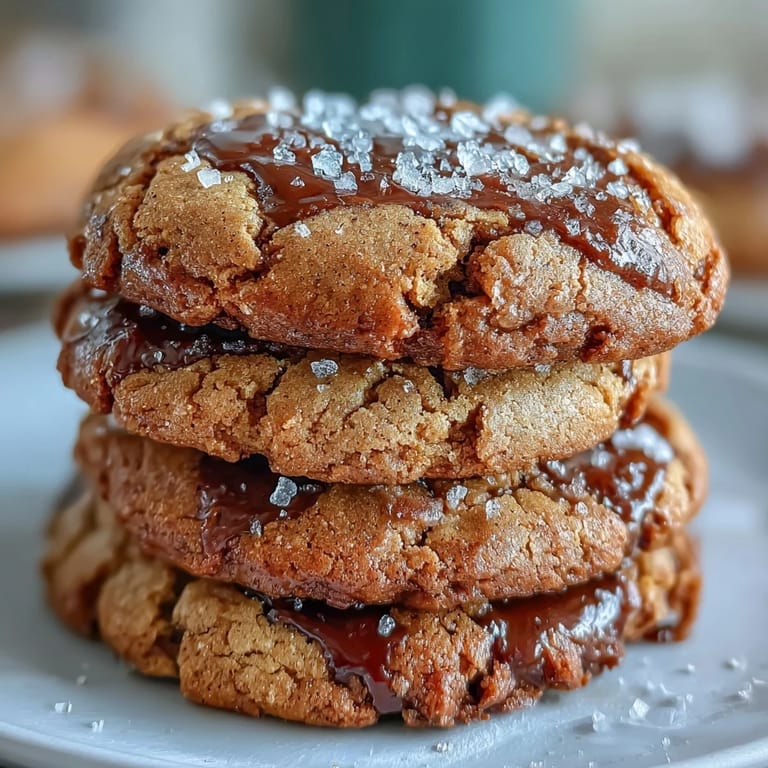
 There was a morning I made these for a coworker who'd been having a rough week, and she called me later to say she'd sat in her car with the box open, eating them one by one while parked by the river. Sometimes food becomes a small kindness without you planning it that way.
The Secret of Brown Butter
Brown butter tastes like it's been caramelized for hours when really it's only been cooking for five to seven minutes. The magic happens when the milk solids in the butter hit the heat and toast, creating hundreds of tiny flavor compounds that don't exist in regular melted butter. I learned this the hard way by burning a batch and realizing I'd been too confident, not paying attention to the sound or the smell. Now I set a timer, stand nearby, and let my nose do most of the work.
Hojicha Powder Matters More Than You Think
Not all hojicha powders are created equal; some are finely milled and silky, while others are grainier and more bitter. I've found that quality hojicha powder from Japanese specialty stores tastes noticeably better than the cheaper alternatives, and since you're only using two tablespoons, it's worth investing in something good. The roasted flavor should be warm and slightly sweet, like burnt caramel mixed with grass, not harsh or ashy. If your cookies taste too vegetal, your hojicha powder might be the culprit, so don't blame yourself.
Customizing Without Losing the Soul
These cookies are sturdy enough to accept additions if you're feeling experimental, but be thoughtful about what you add so the hojicha remains the star. White chocolate chips soften the earthiness nicely, while chopped pecans or toasted hazelnuts echo the nutty brown butter notes and create a more textured bite. You could also brush the cooled cookies with a thin white chocolate glaze or dust them with a bit more hojicha powder for an elegant finish.
- Try adding five to ten roasted white sesame seeds to the dough for a subtle nuttiness and a pleasant crunch.
- A tiny pinch of ground cardamom mixed into the hojicha powder creates an unexpected warmth that feels sophisticated.
- Store these in an airtight container at room temperature, and they'll stay soft for about four days before becoming crispy, which is actually still delicious.
 Pin it
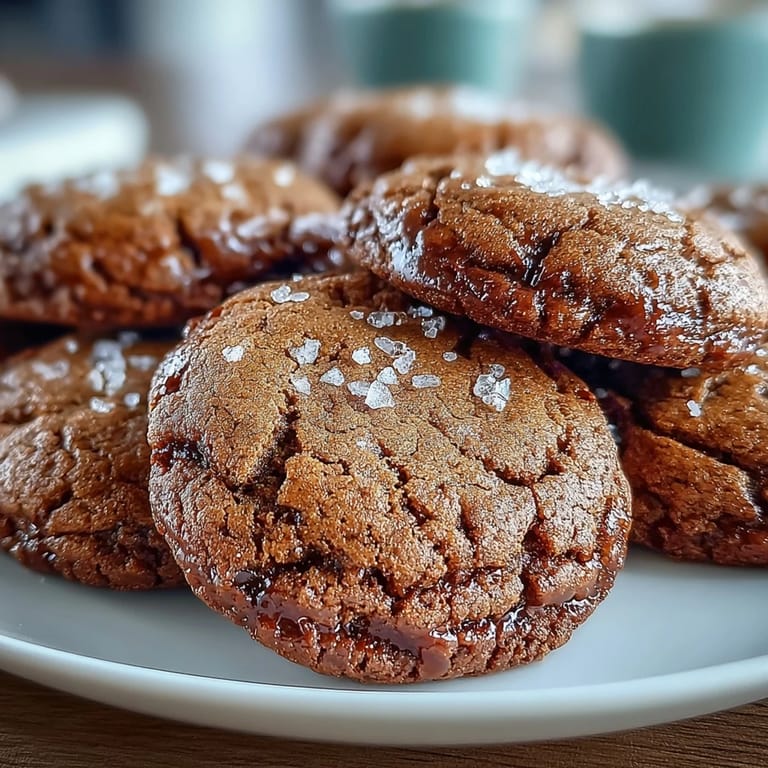
 Every time I make these, I'm reminded that the simplest recipes often contain the most careful balance. There's something honest about a cookie that lets its few ingredients speak for themselves.
Recipe FAQ
- → What makes hojicha special in these treats?
Hojicha is roasted Japanese green tea with earthy, caramel-like notes. Its naturally nutty profile complements brown butter beautifully, adding depth without bitterness. The roasting process reduces caffeine while developing warm, comforting flavors perfect for baking.
- → Can I skip chilling the dough?
Chilling is optional but recommended for thicker results with chewy centers. If you're short on time, bake immediately—the treats will still be delicious, just slightly thinner with crispier edges throughout.
- → What can I use instead of hojicha powder?
Matcha powder works for a vibrant green version, though the flavor will be grassier. Alternatively, try ground roasted genmaicha or Chinese roasted oolong. For a non-tea twist, cocoa powder creates chocolate variations.
- → How should I store these for freshness?
Keep in an airtight container at room temperature for up to 5 days. For longer storage, freeze unbaked dough balls for up to 3 months. Bake frozen portions directly, adding 1-2 minutes to the baking time.
- → Why brown the butter first?
Browning butter removes water content and creates milk solids that toast to golden-brown. This process introduces nutty, caramel flavors that enhance the hojicha's roasted notes, creating layers of richness impossible to achieve with regular melted butter.
- → Can I make these dairy-free?
Substitute vegan butter blocks, not spreads, for the best texture. Brown the vegan butter similarly to develop those toasted flavors. Note that plant-based versions may brown differently, so watch closely to prevent burning.