 Pin it
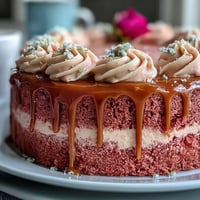
 My first encounter with hojicha cake happened on a rainy afternoon in a small Tokyo café, where the server placed a slice in front of me with a knowing smile. The cake was impossibly light, almost dissolving on my tongue, with that distinctive roasted tea flavor that felt both familiar and mysterious. Years later, standing in my own kitchen with a bag of hojicha powder I'd ordered on a whim, I decided to recreate that moment. What started as nostalgic curiosity turned into an obsession with getting the sponge just right, with mastering the way the whipped cream should taste like the cake itself. Now I make it whenever I need to remind myself that elegance doesn't require complexity.
I made this cake for a friend who'd just moved to a new city, unsure of where she fit. Watching her face light up as she tasted it felt like I'd handed her a small piece of comfort, something that said you belong here. She ate two slices and asked for the recipe, but I think what she really wanted was the feeling that someone had taken time to make something delicate just for her.
Ingredients
- Eggs, room temperature: Cold eggs won't incorporate air properly, so take them out of the fridge at least 30 minutes before starting, trust me on this.
- Granulated sugar: This is what you whip with the eggs to create that cloud of volume that becomes your sponge's structure.
- Cake flour, sifted: Regular flour is too heavy; cake flour has less protein and makes the crumb tender and delicate.
- Hojicha powder: The star of the show, bringing that toasted, slightly nutty flavor that makes people ask what this mysterious taste is.
- Unsalted butter and milk: These get combined and folded in last to add richness without deflating all your hard work from whipping.
- Fine sea salt: Just a whisper to balance the sweetness and heighten the hojicha flavor.
- Heavy cream, at least 35% fat: Lower fat cream won't whip to proper peaks no matter how long you beat it.
- Powdered sugar: Dissolves more smoothly into cream than granulated sugar would.
- Vanilla extract: A small complement that doesn't compete but deepens the overall flavor.
Tired of Takeout? 🥡
Get 10 meals you can make faster than delivery arrives. Seriously.
One email. No spam. Unsubscribe anytime.
Instructions
- Set up and preheat:
- Heat your oven to 170°C and line your cake pan with parchment on the bottom only, leaving the sides bare so the sponge can climb up and expand. This matters more than you'd think.
- Warm the eggs and sugar:
- Whisk them together over simmering water until they feel warm to the touch, around 40°C. This warmth helps the eggs whip to maximum volume, which is the whole secret to a fluffy sponge.
- Whip until clouds form:
- Use an electric mixer on high speed and beat for about 7 minutes until the mixture is pale, thick, and has tripled in volume. You'll see it transform from liquid gold to something that holds peaks, which is your visual cue that you've done it right.
- Fold in the dry ingredients:
- Sift your cake flour, hojicha powder, and salt together, then gently fold them into the whipped eggs in two additions. Use a rubber spatula and fold with intention, turning the bowl as you go, because rough handling will deflate everything you just built up.
- Add the butter mixture:
- Combine your melted butter and milk in a small bowl, take a generous scoop of batter and stir it together to lighten it, then fold all of that back into the main batter. This technique prevents streaks and keeps your cake fluffy instead of dense.
- Pour and tap:
- Transfer the batter to your pan and give it a few gentle taps on the counter to release trapped air bubbles that would create tunnels as it bakes.
- Bake with patience:
- Watch for the top to spring back when you touch it lightly and a skewer inserted to come out clean, usually around 23 to 25 minutes. Every oven runs different, so start checking at 22 minutes.
- Cool strategically:
- Let it rest in the pan for 10 minutes so it sets slightly, then run a thin knife around the edges and invert onto a cooling rack. The parchment peels away easily once it's warm but still soft.
- Make the hojicha whipped cream:
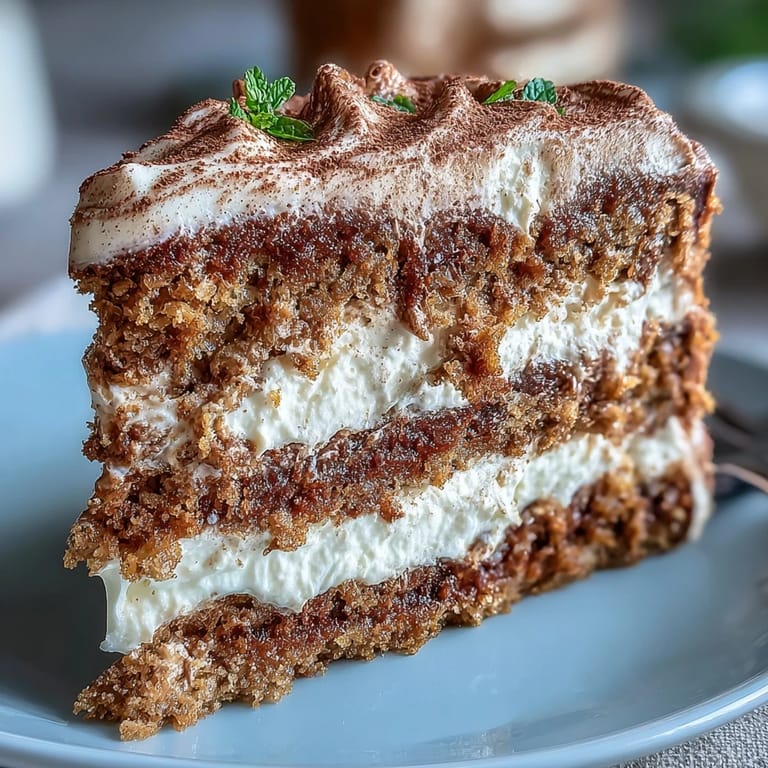
- Sift your hojicha powder and powdered sugar into a chilled bowl to break up any lumps, add the cold heavy cream and vanilla, then whip to medium-stiff peaks. The texture should be smooth and hold its shape without looking grainy.
- Assemble your masterpiece:
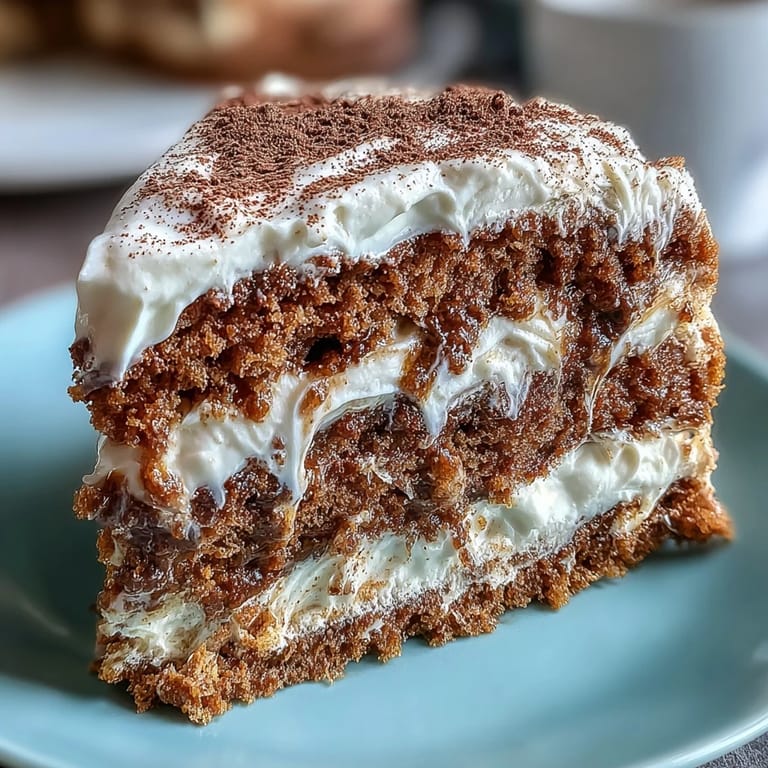
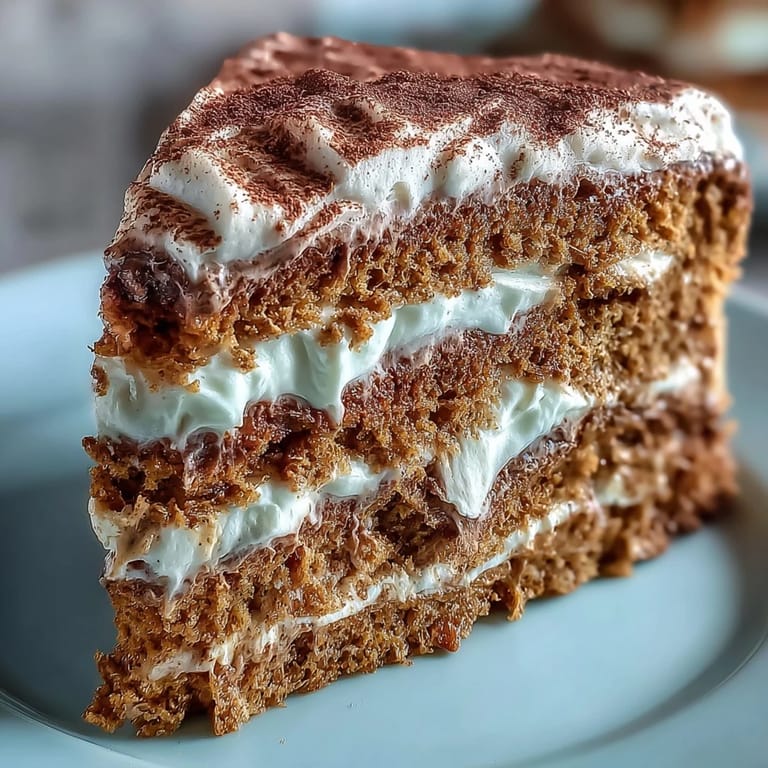
- Slice the cooled sponge horizontally into two or three layers, spread hojicha cream between each layer and generously over the top. A dusting of extra hojicha powder on top gives it that café look.
- Chill before serving:
- Refrigerate for at least 30 minutes so the cake firms up and you can slice it cleanly without the layers sliding around.
 Pin it
 There was a moment, standing in my kitchen at midnight with a slice of this cake and a cup of hojicha tea, when I realized I'd captured something that wasn't really about the recipe at all. It was about the quiet satisfaction of making something delicate by hand, about understanding why the Japanese respect precision and simplicity in their food.
The Sponge Technique That Changes Everything
Genoise is an old French technique that relies entirely on whipping air into eggs, no chemical leavening, no butter creamed in at the beginning. The first time I understood this, I stopped overthinking the process and started trusting the science. The key is that warm eggs whip faster and fuller than cold ones, which is why we warm them first. Once you've gotten your foam to that triple-volume stage, you're essentially holding thousands of tiny air bubbles in a protein matrix. Every fold after that is about preserving those bubbles, not destroying them.
Why Hojicha Powder Needs Respect
Hojicha is roasted green tea, and that roasting process gives it a deeper, less grassy flavor than regular matcha. It's more forgiving in baking because it doesn't need as much sugar to taste good. I learned the hard way that buying the cheapest hojicha powder online meant getting something with a stale, slightly off taste. Investing in a good quality version from a Japanese grocery store or a reputable online source makes an enormous difference in how the cake actually tastes.
Playing With Layers and Moisture
Once you've made this cake once, you'll start thinking about ways to make it your own. A simple brush of hojicha tea or light sugar syrup between the layers adds moisture without making the sponge heavy. Some people add a thin layer of hojicha curd or jam, which is delicious but changes the entire character of the dessert. The cake's beauty is in its simplicity, so any additions should feel intentional, not decorative.
- Brush each layer with warm hojicha tea for a subtly moistened crumb that still feels light.
- Toast some slivered almonds or pistachios to scatter between layers for a textural contrast.
- The cake actually tastes better the next day once the flavors have had time to settle and meld together.
 Pin it
 This cake is proof that a few good ingredients treated with care can become something memorable. Make it for someone who appreciates quiet elegance, or make it for yourself on a day when you need to slow down.
Recipe FAQ
- → What is hojicha powder?
Hojicha is roasted Japanese green tea with a deep, earthy flavor and reddish-brown color. The powder is made from ground roasted tea leaves, offering a naturally smoky, caramel-like taste that pairs beautifully with dairy and sweet preparations.
- → Can I use regular green tea instead?
Matcha or other green tea powders will provide a different flavor profile—more grassy and bitter compared to hojicha's roasted, mellow notes. For the intended taste, stick with hojicha powder available at Japanese markets or specialty tea shops.
- → Why should I not grease the cake pan sides?
Genoise sponges rely on climbing up the ungreased pan walls to achieve proper rise and structure. Greasing prevents the batter from gripping, resulting in a denser, flatter final product.
- → How long does this cake keep?
Store assembled in an airtight container in the refrigerator for up to 3 days. The flavors meld beautifully overnight. For best texture, bring to room temperature 20 minutes before serving.
- → What if my whipped cream is too soft?
Ensure your heavy cream is very cold before whipping. If the kitchen is warm, chill your bowl and whisk in the freezer for 10 minutes first. Whip just until medium-stiff peaks form—overwhipping can cause graininess.
- → Can I make this in advance?
Bake the sponge up to 2 days ahead, wrap tightly in plastic, and store at room temperature. Whip the cream and assemble the day you plan to serve for the freshest texture and appearance.